Introduction
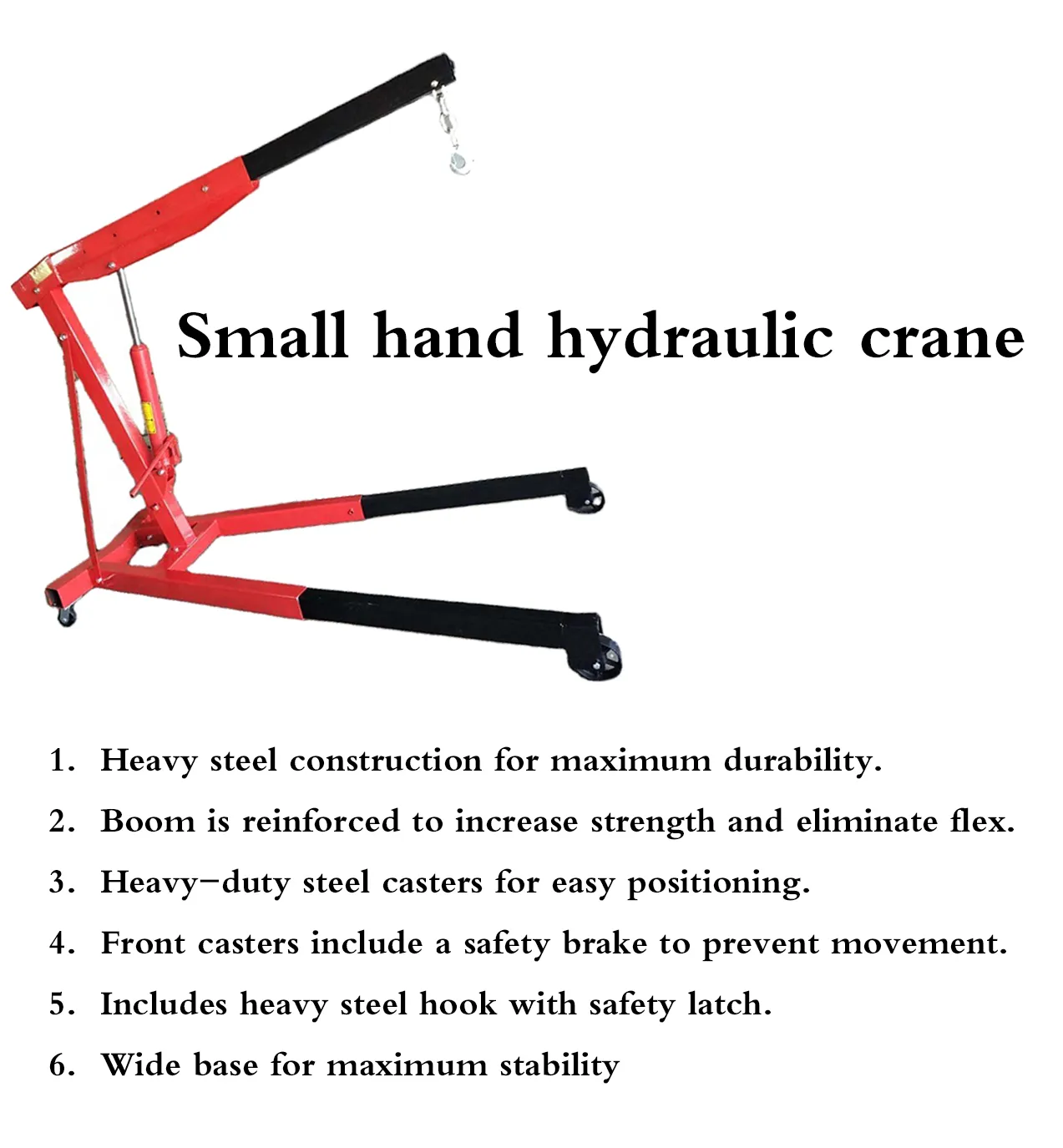
The 3-ton folding engine hoist is a critical piece of equipment in automotive repair and heavy machinery maintenance, designed for the controlled lifting and positioning of engines, transmissions, and other substantial components. Positioned within the material handling equipment sector, specifically sub-categorized as lifting devices, it addresses the core need for safe and efficient engine removal and installation. Unlike fixed-position overhead cranes or basic chain hoists, the folding design offers enhanced portability and storage convenience, addressing a key pain point in workshop environments with limited space. Its core performance metrics center around lifting capacity (3 tons/6000 lbs), maximum lifting height, folded/unfolded dimensions, and the safety factor of the hydraulic system. Contemporary designs prioritize ease of use, requiring minimal operator training, and increasingly incorporate features like adjustable lifting arms and precision lowering control for delicate operations. This guide provides a comprehensive technical overview, addressing material science, manufacturing, performance characteristics, failure modes, and relevant industry standards.
Material Science & Manufacturing
The construction of a 3-ton folding engine hoist relies heavily on high-strength steel alloys for load-bearing components. Typically, the hydraulic cylinder housing, lifting arm, and base structure utilize ASTM A572 Grade 50 steel, known for its high yield strength (50 ksi minimum) and weldability. The hydraulic cylinder piston rod commonly employs AISI 4140 alloy steel, hardened and tempered to resist corrosion and wear under high tensile stress. The hydraulic fluid typically used is a mineral oil-based hydraulic fluid conforming to ISO 32 or ISO 46 viscosity grades, selected for its lubricating properties, thermal stability, and compatibility with seal materials.
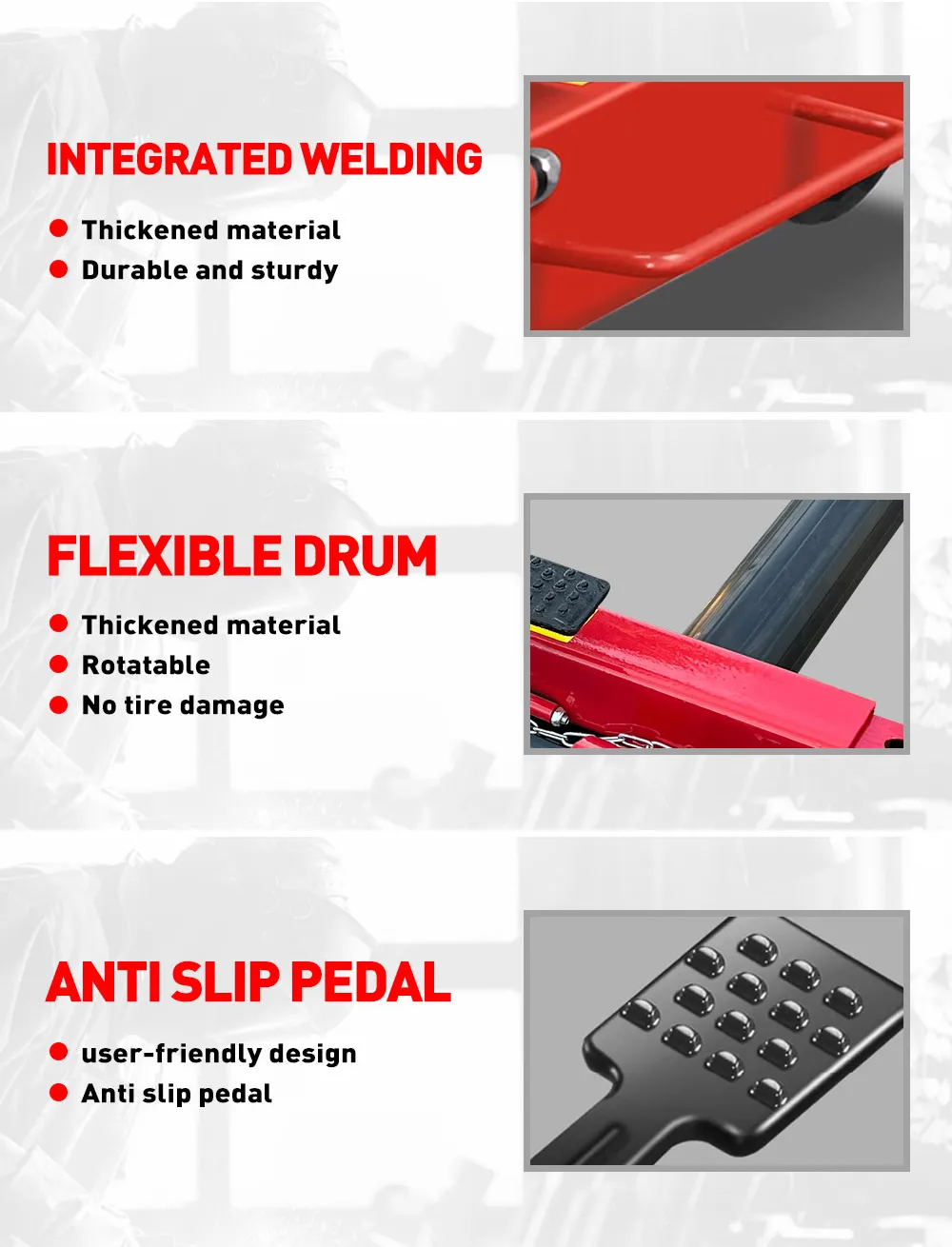
Manufacturing begins with steel plate cutting, forming (bending and pressing), and welding. Submerged Arc Welding (SAW) is frequently used for the base structure and lifting arm fabrication due to its high deposition rates and deep penetration, ensuring strong, reliable joints. Critical welds undergo Non-Destructive Testing (NDT), specifically Radiographic Testing (RT) and Ultrasonic Testing (UT), to identify any internal flaws. The hydraulic cylinder is manufactured via precision honing of the cylinder bore to ensure a smooth surface finish, minimizing friction and preventing seal damage. The folding mechanism involves precision machining of hinge points and the use of high-strength pivot pins secured with locking mechanisms. Surface finishing includes powder coating to provide corrosion resistance and a durable aesthetic. Quality control focuses on dimensional accuracy, weld integrity, hydraulic pressure testing, and functional testing of the folding mechanism. Key parameters controlled during manufacturing include weld temperature, cooling rates, hydraulic fluid cleanliness, and the hardness of critical components.
Performance & Engineering
The performance of a 3-ton folding engine hoist is governed by principles of statics and hydraulics. Force analysis involves calculating the stresses on the lifting arm, hydraulic cylinder, and base structure under maximum load conditions, ensuring that the safety factor (typically 3:1 or higher) is maintained. The hydraulic system operates on Pascal's principle, utilizing a manually operated or electric pump to generate hydraulic pressure. This pressure acts on the piston within the cylinder, creating a linear force that lifts the load. Environmental resistance is crucial; the hoist must operate reliably in typical workshop conditions, including temperature variations, humidity, and exposure to oils and solvents. The powder coat finish provides protection against corrosion, while seals within the hydraulic system are typically made of nitrile rubber or Viton to resist degradation from hydraulic fluid.
Compliance requirements are dictated by OSHA regulations in the United States (29 CFR 1910.179 – Lifted and suspended loads), ASME B30.9 for slings, and equivalent standards in other regions. These standards specify requirements for load testing, inspection, and operator training. Functional implementation requires careful consideration of the hoist's center of gravity and load distribution. The adjustable lifting arms allow for precise positioning of the engine, minimizing stress on mounting points. The precision lowering control prevents sudden drops, ensuring safe and controlled descent. Fatigue analysis is critical for assessing the long-term durability of the lifting arm and folding mechanism, considering the cyclical loading experienced during operation. Proper lubrication of moving parts and regular inspection of hydraulic lines and connections are essential for maintaining optimal performance and preventing failures.
Technical Specifications
| Parameter | Specification | Testing Standard | Tolerance |
|---|---|---|---|
| Lifting Capacity | 3 tons (6000 lbs / 2722 kg) | ISO 6095-1 | ±5% |
| Minimum Lifting Height | 150 mm (5.9 inches) | In-house QC | ±3 mm |
| Maximum Lifting Height | 1800 mm (70.9 inches) | In-house QC | ±10 mm |
| Folded Dimensions (L x W x H) | 1300 x 500 x 200 mm (51.2 x 19.7 x 7.9 inches) | In-house QC | ±10 mm |
| Hydraulic System Pressure | 25 MPa (3626 psi) | ISO 7351 | ±1 MPa |
| Hydraulic Fluid Type | ISO VG 32 / VG 46 Mineral Oil | ISO 3448 | Conformity to standard |
Failure Mode & Maintenance
Common failure modes in 3-ton folding engine hoists include hydraulic leaks, cylinder drift (loss of lift), weld cracking on the lifting arm, and failure of the folding mechanism due to wear and tear. Hydraulic leaks often stem from deteriorated seals or damaged hydraulic lines. Cylinder drift can be caused by internal wear within the cylinder or a faulty check valve. Weld cracking typically occurs due to fatigue stress or improper welding procedures during manufacturing. Failure of the folding mechanism is often attributable to worn pivot points or damaged locking mechanisms.
Preventative maintenance is critical. Regular inspection of hydraulic lines and connections for leaks is essential. Hydraulic fluid should be checked and replaced according to the manufacturer's recommendations (typically every 12-24 months). The lifting arm should be inspected for cracks or signs of fatigue, particularly around weld points. Lubrication of all moving parts (hinge points, pivot pins) should be performed regularly. Load testing should be conducted annually to verify the hoist's lifting capacity. If hydraulic leaks are detected, the affected seals or lines should be replaced immediately. If cylinder drift is observed, the cylinder should be inspected and repaired or replaced. Any cracks in the lifting arm necessitate immediate removal from service and repair or replacement. Proper storage in a clean, dry environment when not in use can also extend the hoist's lifespan.
Industry FAQ
Q: What is the typical lifespan of a well-maintained 3-ton folding engine hoist?
A: With diligent preventative maintenance, including regular fluid changes, lubrication, and inspections, a 3-ton folding engine hoist can reliably operate for 5-10 years in a commercial workshop environment. The lifespan is heavily dependent on the frequency of use and the severity of the loads lifted.
Q: What safety precautions should be taken when using this type of hoist?
A: Always ensure the load is securely supported before lifting. Never exceed the rated lifting capacity. Use appropriate lifting slings and attachments. Maintain a clear working area around the hoist. Never work under a suspended load. Ensure all operators are properly trained and understand the hoist's operating procedures.
Q: What is the significance of the safety factor in the hoist's design?
A: The safety factor (typically 3:1) represents the ratio between the hoist's ultimate load-bearing capacity and its rated lifting capacity. It accounts for uncertainties in material properties, manufacturing tolerances, and dynamic loading conditions, providing a margin of safety to prevent catastrophic failure.
Q: Can the hydraulic fluid be substituted with an alternative type?
A: Substituting the hydraulic fluid with a non-recommended type can damage the seals and hydraulic components. Only use hydraulic fluid that meets the manufacturer’s specifications (typically ISO VG 32 or ISO VG 46 mineral oil). Compatibility charts should be consulted if any substitution is considered.
Q: What type of inspection is required to ensure continued safe operation?
A: A comprehensive annual inspection should include visual inspection for cracks, corrosion, and damage, functional testing of the hydraulic system, load testing to verify lifting capacity, and inspection of all moving parts and locking mechanisms. Documentation of all inspection results is recommended.
Conclusion
The 3-ton folding engine hoist represents a significant advancement in workshop lifting technology, offering a blend of portability, safety, and efficiency. Its design relies on robust materials, precise manufacturing processes, and adherence to stringent industry standards. Understanding the underlying principles of hydraulics, statics, and material science is critical for ensuring its safe and reliable operation.
Continued advancements in materials and manufacturing techniques will likely lead to lighter, more durable, and more feature-rich engine hoists. The integration of smart sensors and remote control systems could further enhance safety and operational efficiency. Regular maintenance and adherence to established safety protocols remain paramount for maximizing the lifespan and performance of this essential piece of automotive and industrial equipment.
