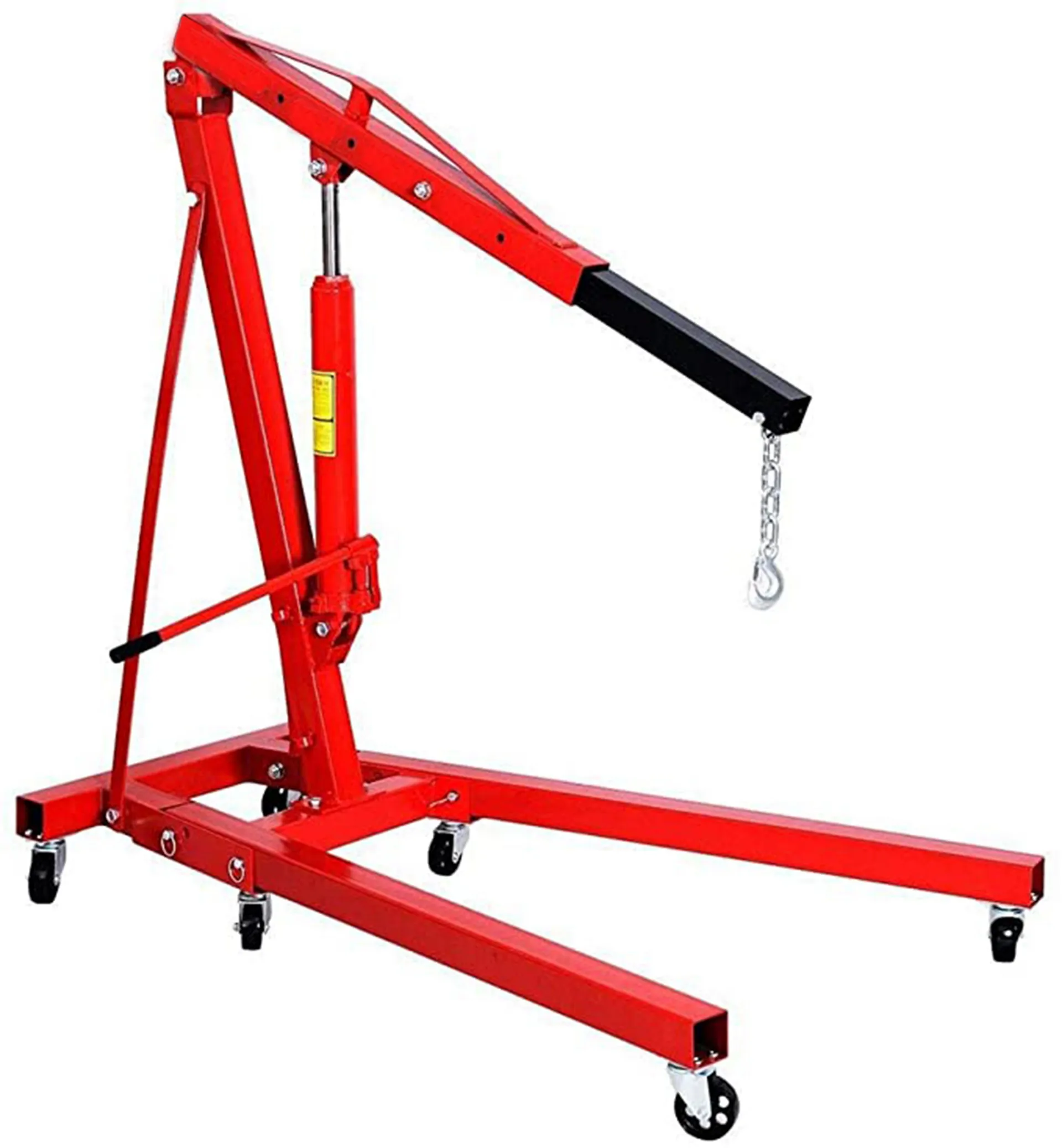
Introduction
The 36-inch scissor jack is a mechanical lifting device commonly employed in automotive, light industrial, and construction applications. Positioned within the lifting and positioning equipment industry, it serves as a crucial component in vehicle maintenance, bridge support during minor repairs, and stabilizing heavy equipment. Core performance characteristics center around lift capacity, lifting range, stability under load, and operational safety. Unlike hydraulic jacks, scissor jacks utilize a linkage system to amplify force, offering a robust and relatively compact solution for vertical lifting. A primary industry pain point revolves around maintaining consistent load capacity across manufacturing batches, addressing potential instability at maximum extension, and ensuring adherence to rigorous safety regulations. The design incorporates a screw mechanism to expand or contract the scissor structure, translating rotational force into linear motion. Understanding the material properties and manufacturing tolerances is paramount to delivering a reliable and durable product.
Material Science & Manufacturing
The core material for a 36-inch scissor jack is typically high-strength carbon steel, specifically AISI 1045 or equivalent, selected for its balance of tensile strength, yield strength, and weldability. The screw thread is often constructed from alloy steel (e.g., 4140) to resist shear stress and wear. Manufacturing begins with steel billet cutting and forming. The scissor arms are created via hot rolling and subsequent precision machining. Welding, primarily Shielded Metal Arc Welding (SMAW) or Gas Metal Arc Welding (GMAW), is used to assemble the scissor linkage. Critical parameters during welding include maintaining appropriate heat input to avoid metallurgical changes in the heat-affected zone, minimizing distortion, and ensuring complete penetration. The baseplate and saddle (contact point) are usually forged from similar steel grades for enhanced durability. Surface treatment involves phosphating for corrosion resistance followed by a durable powder coating. Screw threads are cold-rolled or machined to ensure dimensional accuracy and smooth operation. Quality control includes non-destructive testing (NDT) such as ultrasonic testing and magnetic particle inspection to detect flaws in welds and base metal. The pin joints, crucial for articulation, utilize hardened steel pins and bushings manufactured to tight tolerances to minimize play and wear. Material hardness is tested using Rockwell hardness testing to verify compliance with specifications.
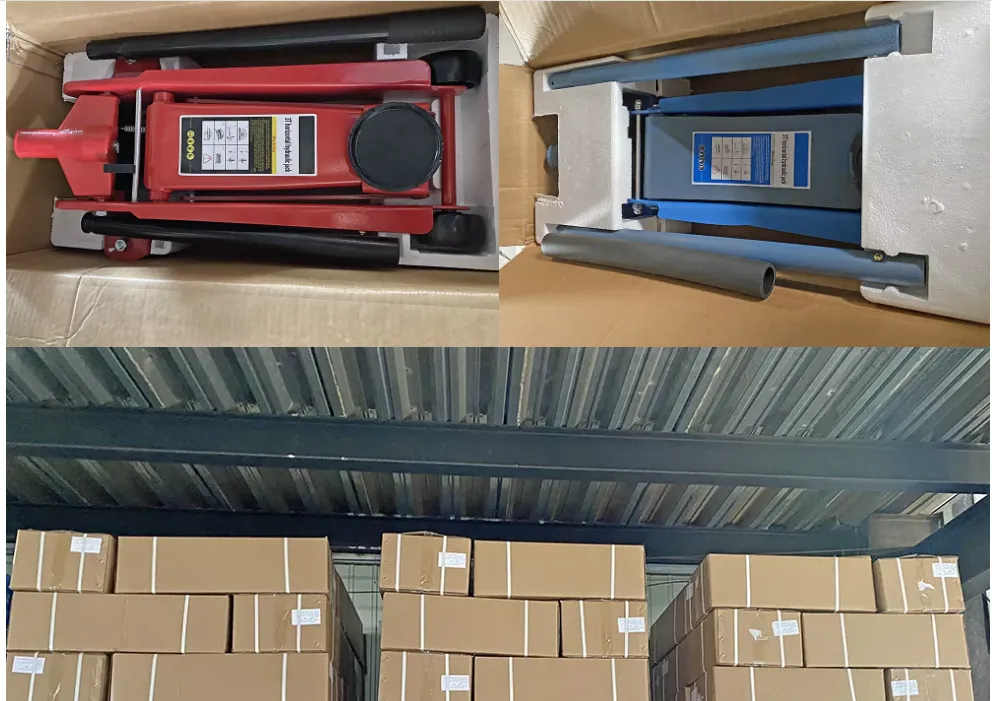
Performance & Engineering
Performance analysis of a 36-inch scissor jack centers on its load-bearing capacity, lifting height, and stability. Force analysis reveals that the load is distributed across the scissor arms, inducing both tensile and compressive stresses. Buckling analysis is crucial, particularly at maximum extension, to ensure the structure doesn't collapse under load. The screw mechanism's efficiency directly affects the required input torque. A significant engineering challenge is minimizing deflection at the saddle when loaded. Finite Element Analysis (FEA) is commonly used to optimize the geometry of the scissor arms and baseplate to maximize stiffness and minimize stress concentration. Environmental resistance considerations include corrosion protection and performance in varying temperatures. The jack must operate reliably from -20°C to 50°C without significant degradation in performance. Compliance requirements include adherence to ASME B30.1 (Slings, Alloys Chains, Ropes, Synthetic Slings and Attachments) which, although geared towards lifting devices generally, provides guidelines for safe operating practices and load ratings. The jack’s stability is significantly impacted by the surface it’s placed on; uneven surfaces can compromise its load-bearing capability. Design also incorporates safety features such as a self-locking screw mechanism to prevent unintended lowering of the load.
Technical Specifications
| Parameter | Specification | Testing Standard | Tolerance |
|---|---|---|---|
| Lift Capacity (Maximum) | 3 Tons (3000 kg / 6614 lbs) | ASTM E4 | +/- 5% |
| Minimum Lifting Height | 150 mm (5.9 inches) | ISO 3766 | +/- 5 mm |
| Maximum Lifting Height | 380 mm (15 inches) | ISO 3766 | +/- 10 mm |
| Base Frame Dimensions (L x W) | 250 mm x 200 mm (9.8 x 7.9 inches) | Dimensional Inspection | +/- 2 mm |
| Screw Thread Pitch | 6 mm | ISO 68-1 | +/- 0.02 mm |
| Material (Scissor Arms) | AISI 1045 Carbon Steel | ASTM A36 | Chemical Composition verified |
Failure Mode & Maintenance
Common failure modes for 36-inch scissor jacks include fatigue cracking at weld points, particularly under cyclic loading. This is exacerbated by stress concentrations introduced during manufacturing or by improper load application. Screw thread stripping can occur due to excessive torque or corrosion. Bushing wear at the pin joints leads to increased play and reduced stability. Corrosion, particularly in humid environments, can compromise the structural integrity of the steel components. Another failure mode is deformation of the scissor arms under overload conditions, leading to permanent bending or buckling. Maintenance involves regular lubrication of the screw thread and pin joints with a high-pressure grease. Periodic inspection of welds for cracks is crucial. The jack should be cleaned regularly to remove dirt and debris. Any signs of corrosion must be addressed promptly with wire brushing and application of a rust inhibitor. If the screw thread becomes damaged, it should be replaced immediately. Regularly check for loose fasteners and tighten as needed. Avoid exceeding the rated load capacity, as this dramatically increases the risk of failure. A detailed log of inspections and maintenance should be maintained.
Industry FAQ
Q: What is the expected lifespan of a properly maintained 36-inch scissor jack under typical automotive use?
A: With regular lubrication and adherence to the load capacity limits, a 36-inch scissor jack can reasonably be expected to last 5-10 years under typical automotive use. However, this is highly dependent on the frequency of use, the operating environment, and the quality of the initial manufacturing.
Q: What safety precautions should be taken when using a scissor jack?
A: Always use the jack on a firm, level surface. Ensure the vehicle is securely chocked. Never work under a vehicle supported only by a jack; always use jack stands. Do not exceed the jack’s rated load capacity. Inspect the jack for damage before each use. Avoid applying side loads or twisting forces.
Q: What is the significance of the screw thread pitch in a scissor jack?
A: The screw thread pitch determines the mechanical advantage of the jack. A finer pitch requires more rotations to achieve the same lifting height but provides greater precision and holding power. A coarser pitch requires fewer rotations but may offer less precise control.
Q: How does the material selection impact the performance and durability of the scissor jack?
A: The choice of steel directly impacts the jack's strength, weldability, and resistance to corrosion. High-strength carbon steel provides sufficient load-bearing capacity, while alloy steel is preferred for the screw thread to resist shear forces. Proper heat treatment is essential to achieve the desired mechanical properties.
Q: What are the limitations of a scissor jack compared to a hydraulic jack?
A: Scissor jacks generally have a slower lifting speed and require more physical effort to operate than hydraulic jacks. They also tend to be less stable at maximum extension and offer less precise height adjustment. However, scissor jacks are typically more compact and require less maintenance than hydraulic jacks.
Conclusion
The 36-inch scissor jack remains a vital component across diverse industries due to its simplicity, robustness, and cost-effectiveness. Its performance is intrinsically linked to the material science governing its construction, particularly the selection and treatment of high-strength steels. The manufacturing process, emphasizing weld quality and dimensional precision, plays a critical role in ensuring reliable operation and longevity.
Future developments may focus on lightweight materials like aluminum alloys to reduce weight without sacrificing load capacity, and incorporating advanced locking mechanisms for enhanced safety. Continued refinement of FEA modeling will optimize structural designs to maximize load-bearing capabilities and minimize the risk of failure. Ultimately, understanding the interplay between material properties, manufacturing tolerances, and engineering principles is paramount to delivering a durable and safe lifting solution.
