Introduction
Car axle stands are critical components in automotive maintenance and repair, functioning as stable support structures during vehicle lifting procedures. Positioned within the automotive aftermarket supply chain, they are essential for any workshop or individual undertaking chassis work. Their core performance characteristic is load-bearing capacity, directly influencing safety and operational efficiency. Unlike hydraulic jacks which are intended for lifting, axle stands provide sustained, static support. This guide provides a detailed technical overview of car axle stands, encompassing material science, manufacturing processes, performance considerations, failure modes, and relevant industry standards. The increasing prevalence of heavier vehicles, including SUVs and light trucks, has driven demand for higher capacity and more robust axle stand designs. A key pain point in the industry is ensuring consistent quality control and adherence to safety regulations, given the potential for catastrophic failure leading to severe injury or death. Furthermore, material selection impacts corrosion resistance, crucial for longevity, especially in regions with harsh environmental conditions.
Material Science & Manufacturing
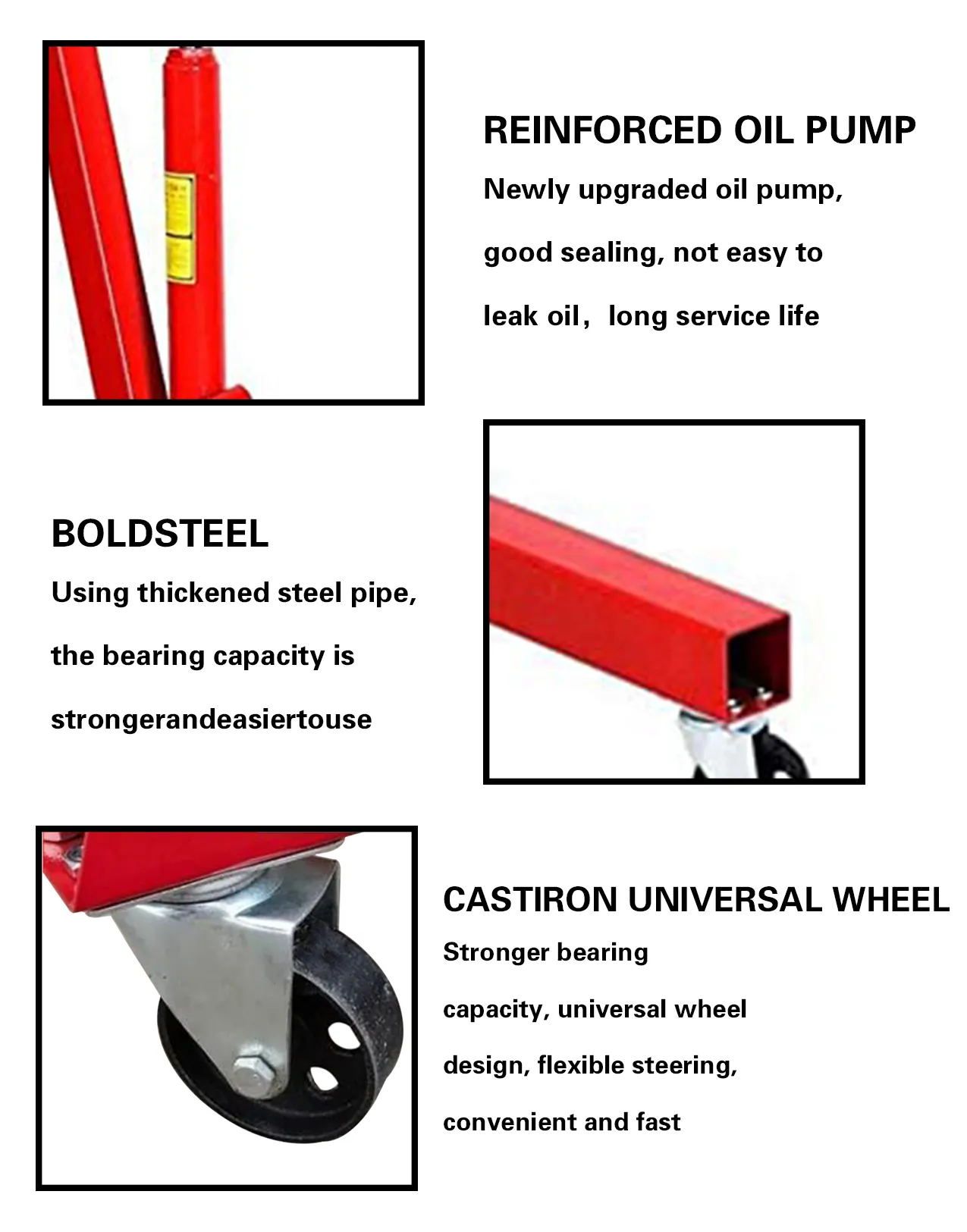
The primary material used in car axle stand construction is steel, predominantly carbon steel for cost-effectiveness and weldability. Specific grades commonly employed include ASTM A36, known for its good balance of strength and ductility, and higher-strength alloys like ASTM A572 for increased load capacities. Manufacturing typically involves steel plate cutting, forming (pressing or rolling), welding, and surface finishing. Critical parameters during welding include heat input, cooling rates, and shielding gas composition to prevent weld defects such as porosity, inclusions, and cracking. Welding procedures are generally governed by AWS D1.1 standards. The base material’s yield strength and tensile strength are paramount. Higher-capacity stands may utilize thicker steel plates and reinforced designs, often incorporating rectangular hollow sections for increased rigidity. Surface treatments such as powder coating or zinc plating are applied to enhance corrosion resistance. The powder coating process necessitates careful surface preparation, including degreasing and phosphate coating, to ensure adequate adhesion. The saddle (contact point with the vehicle) frequently employs high-density polyethylene (HDPE) or polyurethane for impact absorption and to prevent damage to the vehicle's chassis. HDPE’s impact resistance and chemical inertness make it ideal for this application. The manufacturing process also includes rigorous dimensional inspection to ensure adherence to specified tolerances, particularly concerning the height adjustment mechanism.
Performance & Engineering
Axle stand performance is fundamentally governed by structural mechanics principles, particularly those related to buckling and yield strength. The stand must withstand compressive loads without undergoing permanent deformation or catastrophic failure. Force analysis typically employs finite element analysis (FEA) to simulate stress distribution under various load conditions, including static loads and dynamic loads induced by vehicle movement. The design must account for a substantial safety factor, typically 4:1 or higher, depending on the intended application and relevant safety standards. Stability is also critical; the base footprint of the stand must be sufficiently large to prevent tipping. Environmental resistance is another key consideration. Exposure to moisture, salt, and road chemicals can accelerate corrosion. Therefore, robust surface protection is essential. The height adjustment mechanism, usually a pin-lock system, must be engineered to securely lock at various positions and prevent accidental collapse. Locking pins are typically manufactured from hardened steel to resist shear stress. Compliance requirements vary by region. In Europe, axle stands must comply with EN 13629, which specifies performance criteria and testing procedures. In the US, while there isn't a single federal standard specifically for axle stands, they are subject to OSHA regulations regarding workplace safety and proper lifting procedures. The ratchet mechanism needs to be tested for fatigue life to ensure it doesn’t degrade with repeated use.
Technical Specifications
| Capacity (tonnes) | Minimum Height (mm) | Maximum Height (mm) | Base Diameter (mm) |
|---|---|---|---|
| 2 | 280 | 420 | 450 |
| 3 | 300 | 500 | 500 |
| 6 | 380 | 600 | 650 |
| 10 | 450 | 750 | 750 |
| 20 | 600 | 1000 | 850 |
| 30 | 750 | 1200 | 950 |
Failure Mode & Maintenance
Common failure modes in car axle stands include buckling of the steel columns under excessive load, yielding of the steel material, fatigue cracking at weld joints (particularly around the locking pin holes), and failure of the locking mechanism. Corrosion can also contribute to material degradation, reducing the stand’s load-bearing capacity over time. Buckling is more likely to occur with stands that have a high aspect ratio (height to base diameter). Fatigue cracking is often initiated by stress concentrations at weld defects or sharp corners. The locking mechanism can fail due to wear and tear, corrosion, or improper operation. Maintenance procedures should include regular visual inspection for signs of corrosion, cracks, or damage to the locking mechanism. Lubrication of moving parts, such as the ratchet mechanism, is also essential. Prior to each use, the stand should be tested to ensure the locking mechanism is functioning correctly and that the stand is stable. Stands that have been subjected to a significant load or impact should be removed from service and inspected for damage. It is critical to replace any damaged or worn components immediately. Periodic non-destructive testing (NDT) methods, such as dye penetrant inspection, can be used to detect surface cracks that may not be visible to the naked eye. Overloading the stands is the most common cause of failure and must be strictly avoided.
Industry FAQ
Q: What is the appropriate safety factor to use when selecting an axle stand?
A: A safety factor of 4:1 is generally considered a minimum requirement for most automotive applications. However, for heavier vehicles or critical lifting operations, a higher safety factor (e.g., 5:1 or 6:1) may be necessary. The safety factor should account for dynamic loads, potential overload conditions, and uncertainties in material properties.
Q: How important is the base diameter of the axle stand?
A: The base diameter is crucial for stability. A larger base diameter provides a wider footprint and reduces the risk of tipping. The base diameter should be appropriate for the load capacity of the stand and the intended application. Insufficient base diameter leads to instability and potential collapse.
Q: What materials are most resistant to corrosion in axle stands?
A: While carbon steel is the most common material, galvanizing (zinc coating) and powder coating provide excellent corrosion resistance. Stainless steel offers superior corrosion resistance but is significantly more expensive. Regular inspection and maintenance, including applying corrosion inhibitors, are also crucial.
Q: What are the key considerations when inspecting an axle stand before use?
A: Before each use, inspect the stand for any signs of damage, such as cracks, bends, or corrosion. Verify that the locking mechanism is functioning correctly and securely locks at all positions. Ensure the base is stable and free of debris. Never use a stand that appears damaged or compromised.
Q: What is the significance of the EN 13629 standard?
A: EN 13629 is a European standard that specifies performance requirements and testing procedures for axle stands. Compliance with this standard ensures that the stand meets minimum safety criteria and has been rigorously tested for load capacity and stability. It’s a crucial indicator of quality and safety.
Conclusion
Car axle stands represent a critical safety component within the automotive maintenance ecosystem. Their design and manufacturing necessitate a comprehensive understanding of material science, structural engineering, and relevant industry standards. Proper selection, based on load capacity and application, alongside consistent inspection and maintenance, are paramount to preventing catastrophic failures and ensuring operator safety. The industry trend towards higher vehicle weights and increasingly complex chassis designs demands continued innovation in axle stand technology, focusing on enhanced strength, stability, and durability.
Future development is likely to focus on the integration of smart technologies, such as load sensors and wireless monitoring systems, to provide real-time feedback on stand performance and alert users to potential overload conditions. Furthermore, advancements in materials science, particularly the development of high-strength, lightweight alloys, could lead to more efficient and portable axle stand designs. Maintaining strict adherence to international safety standards will remain a crucial aspect of the industry, ensuring the continued protection of automotive technicians and enthusiasts.
