Introduction
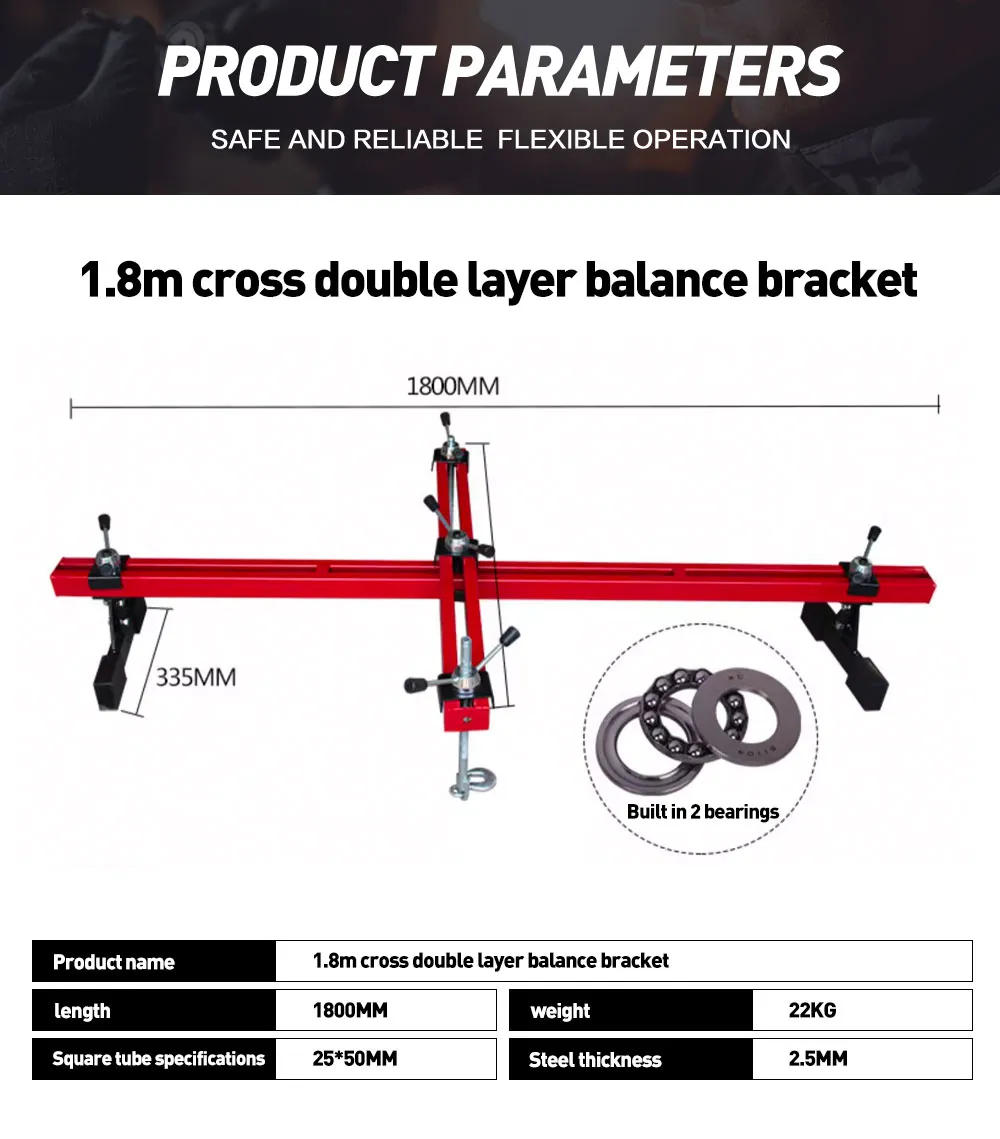
Engine support stands are critical pieces of ground support equipment (GSE) utilized in the aerospace maintenance, repair, and overhaul (MRO) sector. These stands provide a stable and adjustable platform for accessing and servicing aircraft engines. Positioned within the aircraft maintenance supply chain, they bridge the gap between engine removal from the aircraft and dedicated workshop maintenance. Core performance parameters center on load capacity, positional accuracy, stability under load, and operational safety. The increasing complexity of modern jet engine designs, coupled with stringent safety regulations, demands increasingly sophisticated support stand designs. Common pain points in the industry include ensuring accurate engine alignment to prevent damage during installation/removal, maintaining stand structural integrity under dynamic loading conditions (vibration, shock), and complying with evolving airworthiness standards. Further challenges exist in providing adjustable stands that accommodate diverse engine types and achieving rapid setup and disassembly times to minimize aircraft downtime. The following guide details the material science, manufacturing processes, performance characteristics, failure modes, and relevant industry standards pertaining to engine support stands.
Material Science & Manufacturing
Engine support stands are typically constructed from high-strength steel alloys, primarily AISI 1045 and AISI 4130, chosen for their excellent weldability, tensile strength, and fatigue resistance. Alternative materials include aluminum alloys (6061-T6, 7075-T6) for lighter-weight applications, though these require careful consideration of load capacity and buckling resistance. The manufacturing process begins with the fabrication of structural components – typically fabricated from thick steel plate via laser cutting, followed by precision machining. Critical load-bearing joints are often welded using Shielded Metal Arc Welding (SMAW) or Gas Metal Arc Welding (GMAW) processes, adhering to AWS D1.1 structural welding code. Post-weld heat treatment (PWHT) is crucial to relieve residual stresses and prevent cracking. For adjustable components, hydraulic cylinders, often utilizing 4140 alloy steel for the piston rod and a hardened steel alloy for the cylinder body, are integral. Surface treatment is paramount. Components are typically shot peened to improve fatigue life, followed by a multi-layer paint system consisting of a zinc-rich primer for corrosion protection, an epoxy intermediate coat, and a polyurethane topcoat for abrasion resistance. Manufacturing parameter control focuses heavily on weld quality (penetration, porosity), dimensional accuracy achieved during machining, and the proper application of surface coatings – coating thickness must be meticulously monitored. Material certifications (mill test reports) are mandatory to verify compliance with specified chemical compositions and mechanical properties.
Performance & Engineering
The engineering design of engine support stands is heavily influenced by force analysis, primarily finite element analysis (FEA), to ensure structural integrity under maximum engine weight and dynamic loads. Critical load paths are identified, and stress concentrations are mitigated through optimized geometry and reinforcement. Buckling analysis is essential, particularly for aluminum alloy constructions, to prevent catastrophic failure. Positional accuracy is maintained through precision machining of the stand's interface points and the integration of accurate leveling systems – often incorporating adjustable screws or hydraulic cylinders with precise positional feedback. Environmental resistance is a key consideration. Stands operating in harsh environments (e.g., saltwater proximity) require robust corrosion protection. Compliance with airworthiness regulations is paramount. Engine support stands must meet the requirements outlined in SAE International standards, specifically SAE-S6338 for aircraft ground support equipment. This standard addresses structural design, material selection, manufacturing quality, and inspection procedures. Furthermore, the stand’s design must account for the engine’s center of gravity to prevent tipping during installation or removal. Stability is enhanced by a wide base and often by incorporating locking mechanisms to secure the stand in place. Load testing, including static load tests and dynamic load tests (simulating vibrations during engine operation), is mandatory to validate the design and ensure it meets safety requirements.
Technical Specifications
| Parameter | Unit | Typical Value (Heavy Engine Stand) | Typical Value (Light Engine Stand) |
|---|---|---|---|
| Maximum Load Capacity | kg | 15,000 | 3,000 |
| Maximum Engine Weight Supported | kg | 12,000 | 2,500 |
| Adjustable Height Range | mm | 800 - 1500 | 500 - 1000 |
| Base Width | mm | 1800 | 1200 |
| Base Depth | mm | 1500 | 900 |
| Material (Main Structure) | - | AISI 1045 Steel | 6061-T6 Aluminum Alloy |
Failure Mode & Maintenance
Engine support stands are susceptible to several failure modes. Fatigue cracking is a primary concern, particularly at welded joints and high-stress areas. This is often initiated by cyclic loading during engine handling. Corrosion, especially in marine environments, can lead to material degradation and reduced load capacity. Buckling can occur in aluminum alloy structures under excessive compressive loads. Hydraulic cylinder failure, including seal degradation and cylinder wall scoring, can compromise the stand’s adjustability and stability. Delamination of the paint coating exposes the underlying metal to corrosion. Preventive maintenance is crucial. Regular visual inspections should be conducted to identify cracks, corrosion, or damage to hydraulic components. Non-destructive testing (NDT) methods, such as dye penetrant inspection and ultrasonic testing, are recommended to detect subsurface cracks. Lubrication of moving parts (adjustable screws, hydraulic cylinder rods) is essential to prevent wear and ensure smooth operation. Hydraulic fluid levels should be checked and replenished as needed. The paint coating should be inspected for damage and repaired promptly to maintain corrosion protection. Worn or damaged hydraulic cylinders should be replaced immediately. Scheduled load testing (e.g., annually) can verify the stand's structural integrity and identify potential weaknesses before they lead to failure.
Industry FAQ
Q: What is the typical lifespan of a heavy-duty engine support stand under normal operating conditions?
A: A well-maintained heavy-duty engine support stand, constructed from appropriate materials and subjected to regular inspections, typically has a lifespan of 10-15 years. However, this can vary significantly depending on the frequency of use, the severity of the operating environment, and the effectiveness of the maintenance program.
Q: How does temperature affect the performance and structural integrity of aluminum alloy engine support stands?
A: Extreme temperatures can significantly impact aluminum alloy stands. High temperatures reduce the material's yield strength and increase the risk of creep deformation. Low temperatures can reduce ductility and increase susceptibility to brittle fracture. Thermal expansion and contraction can also induce stresses in the structure.
Q: What are the key considerations when selecting an engine support stand for a new engine type?
A: The primary considerations are the engine's weight, dimensions, center of gravity, and mounting interface requirements. The stand must have sufficient load capacity, adjustable height range, and a stable base to support the engine safely. Compatibility with the engine’s interface points is critical.
Q: What level of training is required for personnel operating engine support stands?
A: Comprehensive training is essential. Personnel should be trained on proper stand setup and operation, load handling procedures, inspection protocols, and emergency shutdown procedures. They should also be familiar with the relevant safety regulations and airworthiness standards.
Q: How important is corrosion protection in the design and maintenance of engine support stands used in coastal environments?
A: Corrosion protection is absolutely critical in coastal environments. Saltwater is highly corrosive and can rapidly degrade steel and aluminum alloys. Robust corrosion protection measures, including zinc-rich primers, epoxy coatings, and regular inspections, are essential to prevent structural failure.
Conclusion
Engine support stands represent a vital, yet often overlooked, component of aircraft maintenance operations. Their performance directly impacts both safety and operational efficiency. Careful material selection, precise manufacturing processes, rigorous testing, and a proactive maintenance program are all essential to ensure long-term reliability and prevent catastrophic failure. The increasing demand for faster turnaround times and more complex engine maintenance procedures necessitates continued innovation in support stand design, focusing on enhanced stability, adjustability, and ease of use.
Future development will likely center on incorporating advanced materials (e.g., carbon fiber composites) to reduce weight, implementing smart monitoring systems to detect structural anomalies, and integrating robotic automation to streamline engine handling processes. Adherence to evolving industry standards and a commitment to safety will remain paramount in the design, manufacture, and operation of engine support stands.
