Introduction
Engine support tools represent a critical component within the broader landscape of aircraft maintenance, repair, and overhaul (MRO). These tools, encompassing a diverse range of devices from simple lifting apparatus to complex hydraulic positioning systems, are indispensable for safely and effectively accessing, inspecting, and servicing aircraft engines. Their technical positioning lies between standardized rigging equipment and specialized engine tooling designed for specific engine models. Core performance characteristics center on load capacity, positional accuracy, stability under load, and adherence to stringent safety regulations governing aviation maintenance. A primary industry pain point revolves around minimizing engine downtime during maintenance, demanding robust, reliable support tools capable of quick setup and precise adjustment. Furthermore, the increasing complexity of modern engine designs necessitates increasingly sophisticated tooling capable of accommodating varied geometries and access constraints. This guide provides an in-depth technical overview of engine support tools, covering material science, manufacturing processes, performance engineering, potential failure modes, and relevant industry standards.
Material Science & Manufacturing
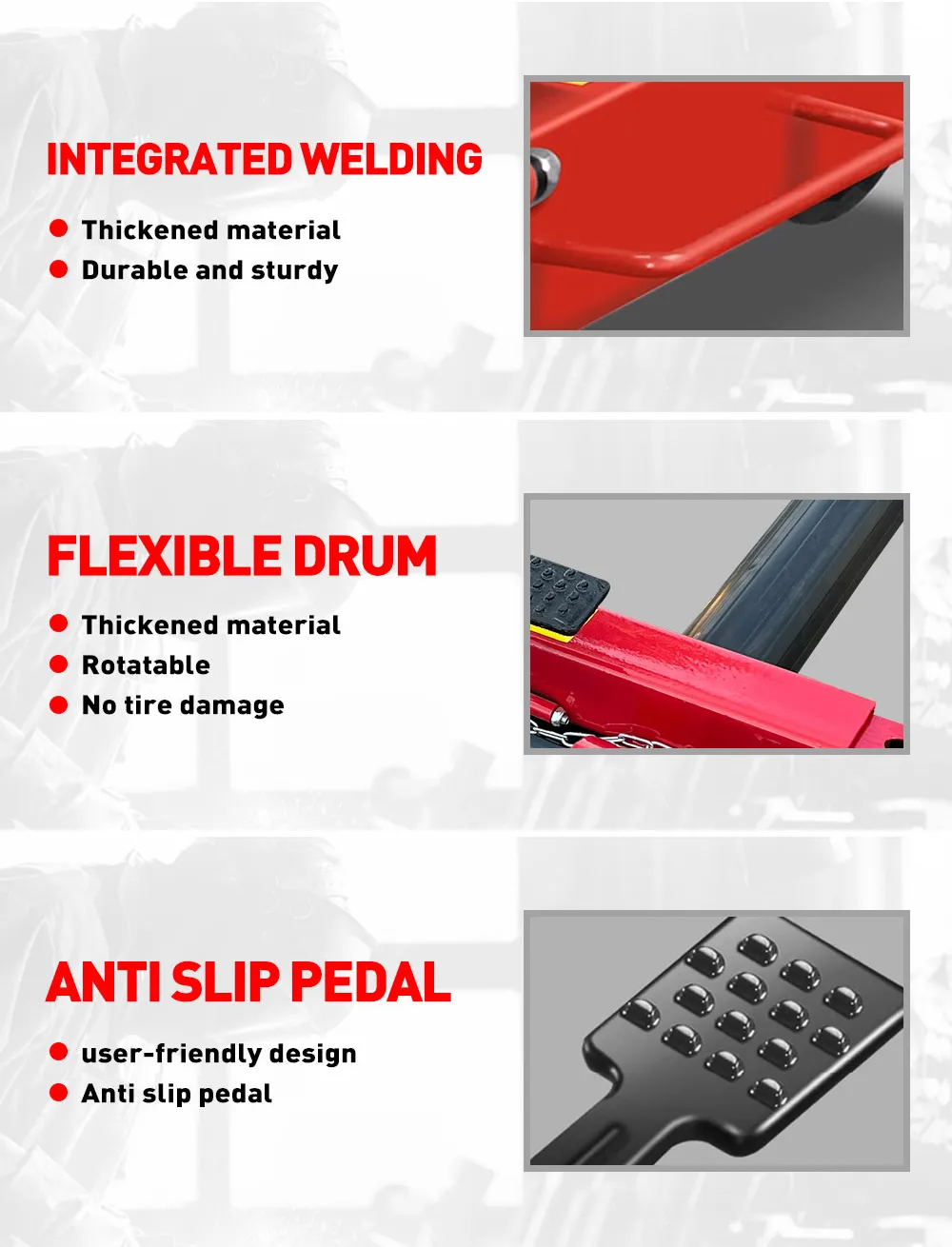
The construction of engine support tools typically involves high-strength steel alloys (AISI 4140, 4340) for primary load-bearing components like support arms, lifting points, and base structures. These alloys offer a favorable balance of tensile strength, yield strength, and ductility, crucial for preventing catastrophic failure under high stress. Material selection is directly informed by finite element analysis (FEA) simulations, predicting stress concentrations and deformation under maximum anticipated loads. Manufacturing processes are highly regulated. Support arms often undergo forging, followed by precision machining to ensure dimensional accuracy and surface finish. Welding, primarily shielded metal arc welding (SMAW) and gas tungsten arc welding (GTAW), is used extensively for joining components. Welding parameters – current, voltage, travel speed, and shielding gas composition – are tightly controlled to ensure complete penetration, minimize porosity, and maintain mechanical integrity of the weld. Non-destructive testing (NDT), including ultrasonic testing (UT) and magnetic particle inspection (MPI), is mandatory to detect subsurface defects. Hydraulic cylinders, commonly utilized for positional adjustment, employ hardened steel cylinders and chrome-plated piston rods for wear resistance and corrosion protection. Polymer components, like bushings and seals, utilize materials such as polyurethane or PTFE, selected for their low friction coefficient and resistance to hydraulic fluids. Key parameter control during manufacturing includes dimensional tolerances of +/- 0.025mm for critical components, weld penetration depth verification exceeding 90% of material thickness, and surface roughness (Ra) values below 1.6µm for load-bearing surfaces.
Performance & Engineering
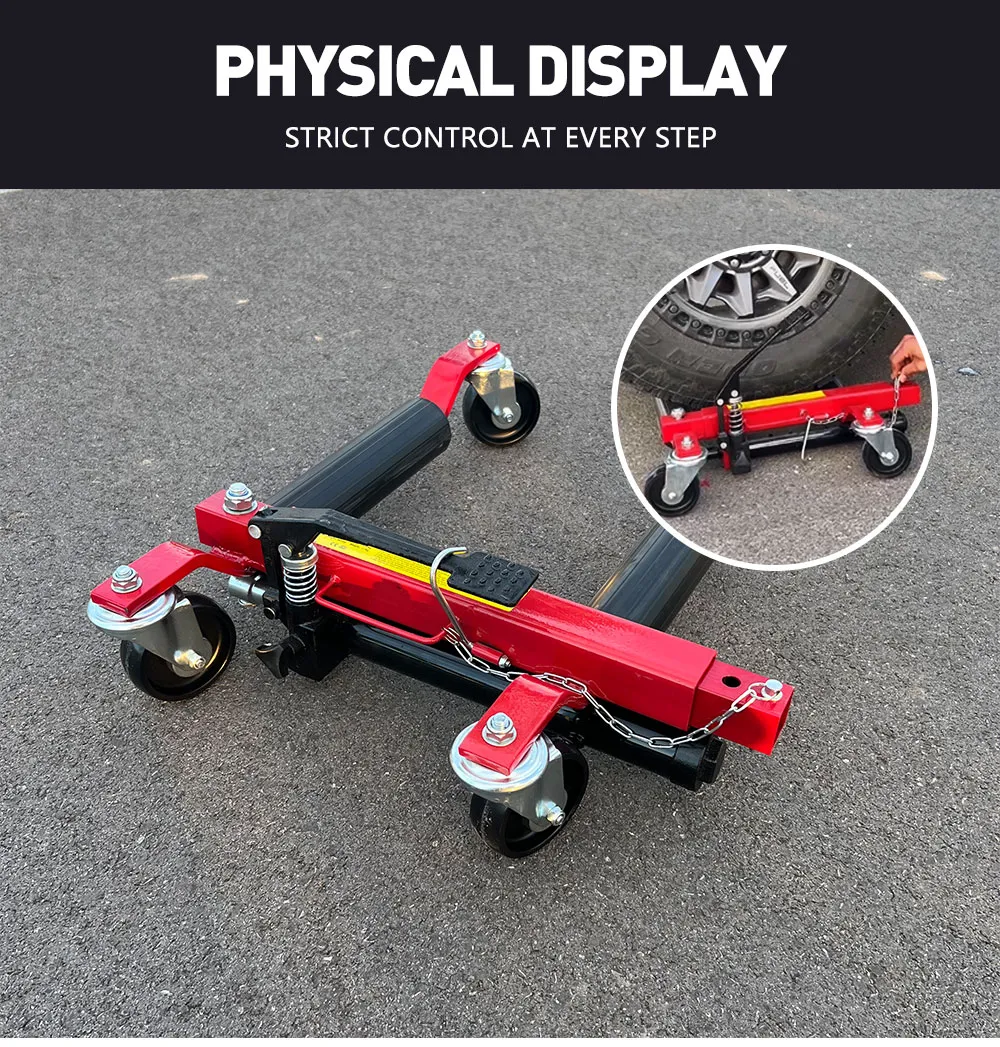
Performance analysis of engine support tools centers on static and dynamic load capacity, stability, and geometric accuracy. Force analysis, often conducted using FEA, determines stress distribution under worst-case loading scenarios – including engine weight, dynamic forces during handling, and potential shock loads. Buckling analysis is critical for slender support structures to prevent instability. Stability is further enhanced through careful design of the base structure, ensuring a low center of gravity and a wide footprint. Positional accuracy, especially for tools used during engine alignment, is paramount. Hydraulic systems employed for positioning must exhibit minimal hysteresis and backlash. Environmental resistance is another crucial performance parameter. Tools operating in hangar environments are exposed to hydraulic fluids, cleaning solvents, and atmospheric corrosion. Protective coatings, such as zinc plating or powder coating, are applied to steel components to mitigate corrosion. Compliance requirements are dictated by aviation regulatory bodies such as the FAA (Federal Aviation Administration) and EASA (European Union Aviation Safety Agency). Tools must be designed, manufactured, and inspected according to approved engineering drawings and procedures, with complete traceability of materials and manufacturing processes. Functional implementation details vary depending on the specific tool. Lifting tools adhere to standards for sling angles and load distribution, ensuring safe lifting practices. Positioning tools incorporate locking mechanisms to maintain precise engine alignment during maintenance procedures. The safety factor used in design is typically 4:1, meaning the tool is designed to withstand four times the maximum anticipated load.
Technical Specifications
| Load Capacity (kN) | Maximum Reach (mm) | Positional Accuracy (mm) | Hydraulic Pressure (MPa) |
|---|---|---|---|
| 50 | 1500 | ±0.5 | 25 |
| 100 | 2000 | ±1.0 | 35 |
| 150 | 2500 | ±1.5 | 40 |
| 200 | 3000 | ±2.0 | 50 |
| 75 | 1800 | ±0.75 | 30 |
| 25 | 1000 | ±0.25 | 15 |
Failure Mode & Maintenance
Engine support tool failure modes typically fall into several categories: fatigue cracking, particularly around weld points subjected to cyclic loading; hydraulic system failures, including seal degradation, cylinder leaks, and pump malfunctions; mechanical component wear, such as bushing wear and threaded fastener loosening; and corrosion, especially in environments with high humidity or exposure to corrosive fluids. Fatigue cracking initiates from stress concentrations, often at weld toes or sharp corners. Regular visual inspection for cracks is critical, supplemented by NDT methods like dye penetrant inspection (DPI) and ultrasonic testing. Hydraulic system failures often stem from seal degradation due to fluid incompatibility or prolonged exposure to high temperatures. Routine fluid analysis and seal replacement are essential maintenance tasks. Mechanical component wear contributes to reduced positional accuracy and increased backlash. Lubrication and periodic replacement of worn components are necessary. Corrosion can lead to reduced material strength and increased susceptibility to fatigue. Protective coatings must be maintained and reapplied as needed. Recommended maintenance procedures include a comprehensive annual inspection, including NDT of critical components, hydraulic fluid analysis, lubrication of moving parts, and verification of positional accuracy. Record-keeping of all maintenance activities is crucial for tracking tool performance and identifying potential issues. Preventative maintenance schedules should align with the tool’s operating hours and the severity of the operating environment. A common failure is the bending of support arms exceeding the allowable deflection limits, requiring realignment or component replacement.
Industry FAQ
Q: What are the critical considerations when selecting an engine support tool for a specific engine type?
A: Critical considerations include the engine's weight, dimensions, center of gravity, and access points for tooling. The tool must have sufficient load capacity and reach to safely support and position the engine. Compatibility with existing hangar infrastructure, such as overhead cranes and floor anchors, is also essential. Consideration should also be given to the engine's unique maintenance requirements, such as specific alignment tolerances or the need for specialized lifting attachments.
Q: How does the material selection impact the lifespan and reliability of engine support tools?
A: High-strength steel alloys are preferred due to their superior strength, ductility, and fatigue resistance. Proper heat treatment and surface hardening processes enhance these properties. Corrosion-resistant coatings, like zinc plating or powder coating, are essential for mitigating environmental degradation. The selection of polymer components, such as bushings and seals, must consider compatibility with hydraulic fluids and operating temperatures.
Q: What are the key NDT methods used to ensure the structural integrity of engine support tools?
A: Common NDT methods include visual inspection, dye penetrant inspection (DPI), magnetic particle inspection (MPI), and ultrasonic testing (UT). DPI and MPI are used to detect surface cracks, while UT is employed to detect subsurface defects. Regular NDT inspections are crucial for identifying potential failure points before they lead to catastrophic failure.
Q: What are the common causes of hydraulic system failures in engine support tools, and how can they be prevented?
A: Common causes include seal degradation, fluid contamination, pump malfunctions, and cylinder leaks. Prevention strategies include regular fluid analysis, seal replacement, proper filtration, and routine inspection of hydraulic components. Using the correct type of hydraulic fluid specified by the tool manufacturer is also critical.
Q: What documentation is required to demonstrate compliance with aviation safety regulations for engine support tools?
A: Documentation typically includes engineering drawings, material certifications, welding qualifications, NDT reports, maintenance records, and a declaration of conformity to relevant standards (e.g., FAA or EASA regulations). Traceability of materials and manufacturing processes is paramount for demonstrating compliance.
Conclusion
Engine support tools are highly engineered systems requiring careful material selection, precise manufacturing processes, and diligent maintenance to ensure safe and reliable operation within the demanding aviation MRO environment. Their performance directly impacts engine maintenance turnaround times, contributing to airline operational efficiency and safety. Understanding the underlying principles of load capacity, stability, and environmental resistance is crucial for selecting and maintaining these essential tools.
Looking ahead, advancements in materials science – such as the increased utilization of carbon fiber composites – and the integration of smart sensors for real-time load monitoring and predictive maintenance will likely shape the future of engine support tool design. Continued adherence to stringent safety regulations and industry standards remains paramount, ensuring the ongoing reliability and safety of aircraft engine maintenance operations.
