Introduction
Scissor jacks are mechanical lifting devices widely utilized across automotive, construction, and industrial maintenance sectors. While appearing simplistic in design, their functionality relies on a precise interplay of mechanical advantage, material strength, and manufacturing tolerances. The “price” of a scissor jack is inextricably linked to these factors, reflecting not just material costs but also the engineering considerations required to ensure safe and reliable operation under load. This guide provides an in-depth examination of scissor jack technology, encompassing material science, manufacturing processes, performance characteristics, potential failure modes, and relevant industry standards. Understanding these aspects is crucial for procurement professionals, engineers, and maintenance personnel seeking to optimize jack selection and ensure longevity of service. Core industry pain points revolve around balancing cost with safety, mitigating failure risks associated with overloading or corrosion, and ensuring compliance with evolving safety regulations. The price point reflects the resolution of these concerns.
Material Science & Manufacturing
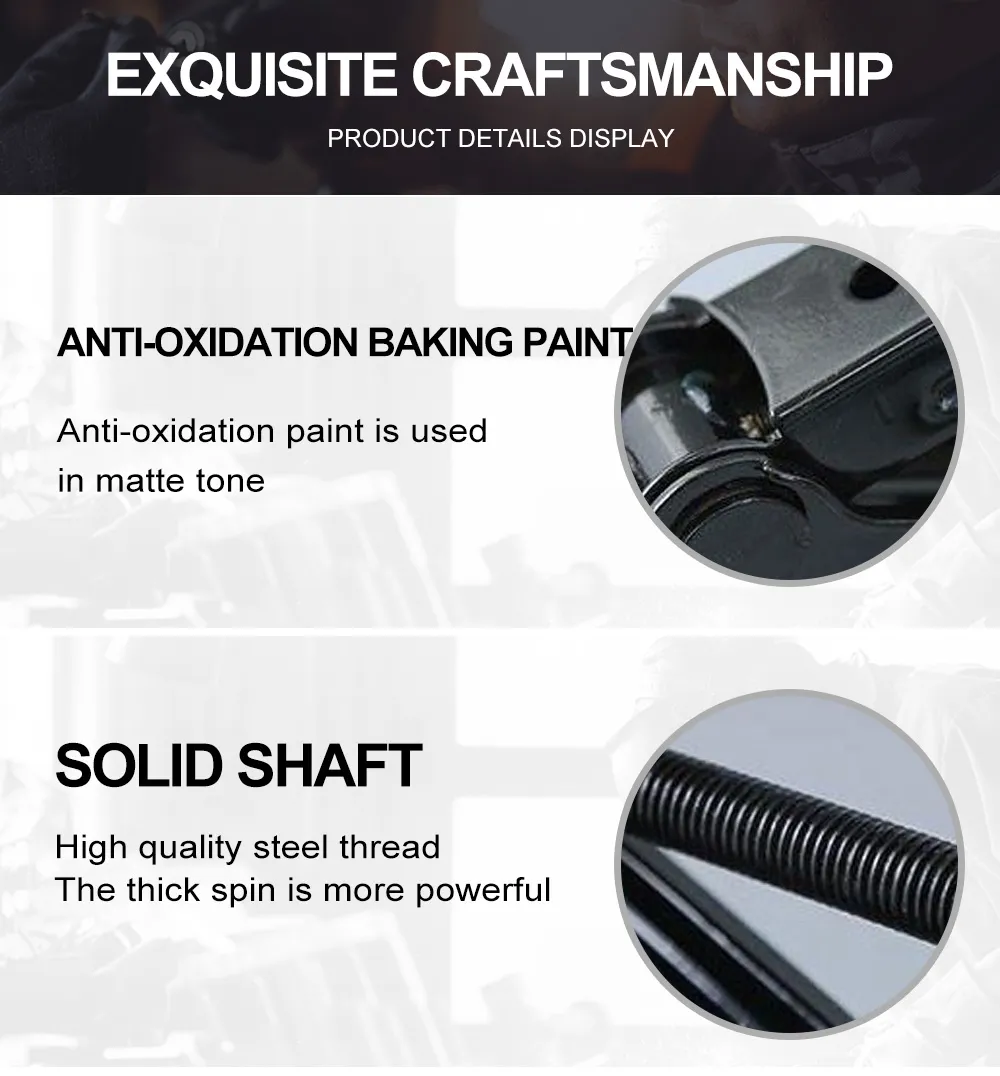
Scissor jacks are typically constructed from carbon steel, although higher-performance models may incorporate alloy steels or stainless steel for enhanced strength and corrosion resistance. The primary material selection is dictated by the required load capacity and operating environment. Carbon steel, specifically AISI 1045 or equivalent, offers a favorable strength-to-cost ratio for common applications. Manufacturing begins with steel plate cutting, followed by forming processes – typically cold forming or stamping – to create the individual scissor arms. Welding, often utilizing MIG or TIG processes, joins these arms together via pivot points. The quality of these welds is paramount; porosity, incomplete fusion, or improper heat treatment can significantly compromise structural integrity. Critical parameters include weld current, voltage, wire feed speed, and shielding gas composition. Following welding, the jack undergoes surface treatment, commonly powder coating or zinc plating, to protect against corrosion. Screw mechanisms, vital for jack actuation, are often manufactured from alloy steel (e.g., 4140) and undergo thread rolling or machining to achieve precise tolerances. Lubrication with high-pressure grease is essential to reduce friction and prevent wear on the screw threads and pivot points. The saddle, which contacts the load, may be coated with a polymer or rubber material to prevent damage to the lifted object.
Performance & Engineering
The performance of a scissor jack is fundamentally governed by mechanical advantage and structural stability. The mechanical advantage is determined by the ratio of the screw thread pitch to the length of the scissor arms. A smaller pitch and longer arms yield a higher mechanical advantage, requiring less force to lift a given load but also resulting in slower lifting speed. Force analysis must account for both static and dynamic loads, including impact forces and potential overloads. Finite Element Analysis (FEA) is often employed during the design phase to identify stress concentrations and optimize the geometry of the scissor arms. Environmental resistance is a critical consideration, particularly in applications where the jack is exposed to moisture, salt spray, or extreme temperatures. Corrosion prevention strategies include protective coatings, material selection, and proper lubrication. Compliance requirements vary by region and application. Automotive scissor jacks, for example, must meet specific safety standards relating to lifting capacity, stability, and locking mechanisms. The jack's base must provide sufficient footprint to prevent tipping during operation. Locking mechanisms, often employing a ratchet and pawl system, are vital to prevent the load from collapsing in the event of screw thread failure. The design must also consider the fatigue life of the components under repeated loading cycles.
Technical Specifications
| Lifting Capacity (tons) | Minimum Lifting Height (mm) | Maximum Lifting Height (mm) | Base Width (mm) |
|---|---|---|---|
| 1 | 80 | 380 | 120 |
| 2 | 100 | 420 | 150 |
| 3 | 120 | 480 | 180 |
| 5 | 150 | 550 | 220 |
| 10 | 200 | 650 | 280 |
| 20 | 250 | 800 | 350 |
Failure Mode & Maintenance
Common failure modes in scissor jacks include screw thread stripping, weld failure at pivot points, bending or yielding of the scissor arms, and corrosion-induced degradation. Screw thread stripping often results from exceeding the jack's lifting capacity or applying excessive force during operation. Weld failure can occur due to fatigue cracking initiated by stress concentrations at the weld toe, particularly under cyclic loading. Bending or yielding of the scissor arms typically indicates overloading or the use of a jack with insufficient load capacity. Corrosion, especially in marine or industrial environments, can weaken the steel components and lead to premature failure. Maintenance procedures should include regular inspection of the screw threads for wear or damage, lubrication of the screw and pivot points with high-pressure grease, and visual inspection for signs of corrosion or weld cracking. If corrosion is detected, the affected areas should be cleaned, treated with a rust inhibitor, and recoated. Periodic torque checks on the pivot point fasteners are also recommended. If a jack has been subjected to an overload, it should be retired from service and replaced. Preventative maintenance, focusing on lubrication and corrosion protection, significantly extends the jack’s service life.
Industry FAQ
Q: What is the impact of material grade on the lifespan and safety of a scissor jack?
A: Higher-grade steel alloys, like those with increased manganese or chromium content, offer superior yield strength and fatigue resistance, directly translating to a longer lifespan and improved safety under repeated loading. While these materials increase the initial price, the reduced risk of failure and extended service life often provide a better long-term return on investment.
Q: How does the quality of welding affect the jack’s structural integrity?
A: Welding quality is paramount. Porosity, incomplete fusion, or undercut can create stress concentrators, significantly reducing the jack’s load capacity and increasing the risk of catastrophic failure. Non-destructive testing (NDT) methods, such as ultrasonic testing or radiographic inspection, are recommended to verify weld integrity.
Q: What are the key considerations when selecting a scissor jack for use in corrosive environments?
A: For corrosive environments, stainless steel jacks (e.g., 304 or 316 stainless steel) are highly recommended. Alternatively, carbon steel jacks can be protected with robust coatings such as hot-dip galvanizing or epoxy powder coating. Regular inspection and maintenance, including cleaning and re-coating as needed, are crucial to prevent corrosion-induced failure.
Q: What is the significance of the locking mechanism in a scissor jack, and what failure modes are associated with it?
A: The locking mechanism (typically a ratchet and pawl system) prevents the load from collapsing if the screw thread fails. Common failure modes include pawl wear, ratchet tooth deformation, or spring failure. Regular inspection and lubrication of the locking mechanism are essential to ensure proper operation.
Q: How does the design of the base affect the stability of the scissor jack during operation?
A: A wider base provides a larger footprint and increased stability, reducing the risk of tipping, especially when lifting heavy or awkwardly shaped loads. The base should be constructed from a robust material and designed to distribute the load evenly. Consideration should be given to the surface the jack is placed upon; uneven or soft surfaces can compromise stability.
Conclusion
The price of a scissor jack is a direct reflection of its engineering design, material selection, manufacturing quality, and intended application. While seemingly simple, these devices demand careful consideration of structural integrity, corrosion resistance, and safety features. Understanding the factors that influence performance and potential failure modes is critical for informed procurement and effective maintenance. Selecting a jack that meets or exceeds the required load capacity and operating environment is paramount to ensuring safe and reliable operation.
Investing in a higher-quality scissor jack, even at a higher initial price, can yield significant long-term benefits in terms of reduced downtime, improved safety, and extended service life. Adherence to established industry standards and preventative maintenance practices further contribute to maximizing the jack’s performance and minimizing the risk of catastrophic failure. Ultimately, a thoughtful approach to scissor jack selection and maintenance safeguards personnel and optimizes operational efficiency.
