Introduction
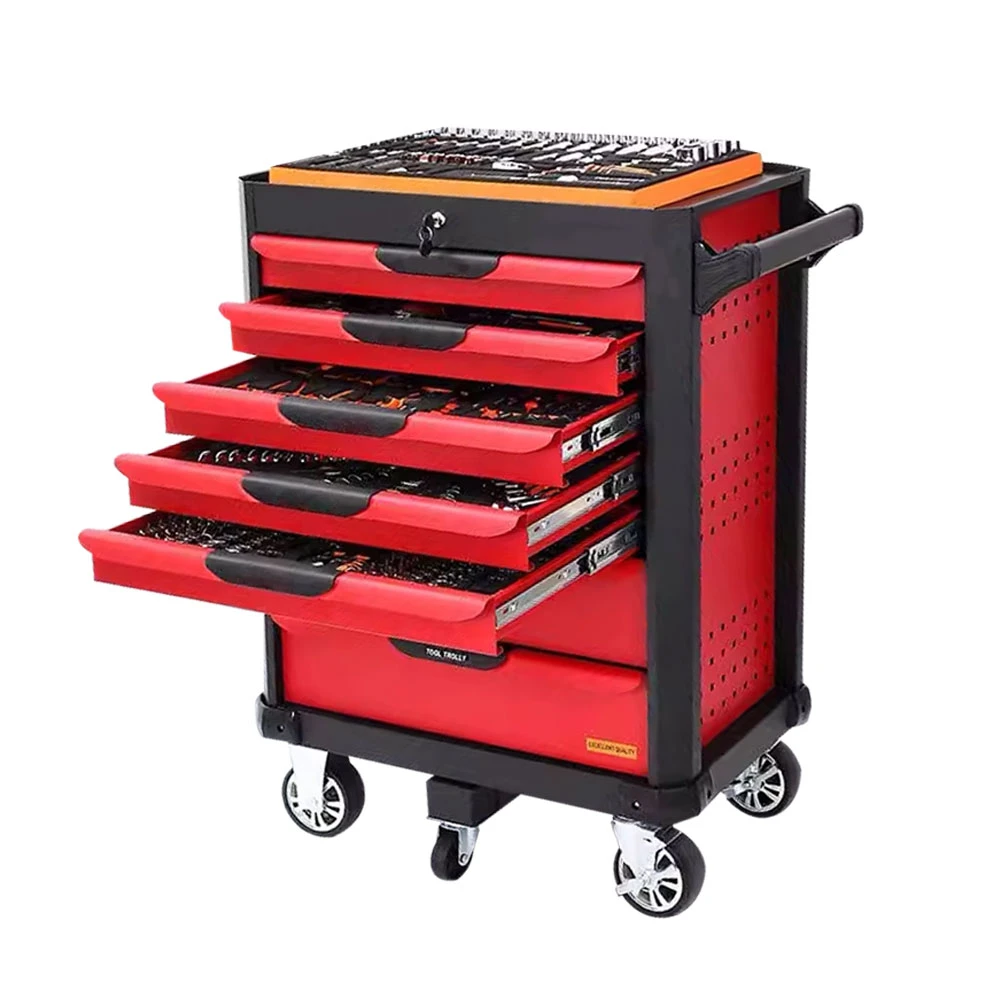
The tools trolley, also commonly referred to as a tool cart or rolling tool cabinet, is a mobile workstation designed for the storage and organization of tools and equipment within industrial, automotive, manufacturing, and maintenance environments. Positioned within the broader material handling and workshop equipment supply chain, its primary function is to enhance efficiency, accessibility, and security of tools, minimizing downtime and maximizing productivity. Core performance characteristics include load capacity, maneuverability, durability, and the provision of secure tool retention. Increasingly, advanced trolleys incorporate features such as integrated power supplies, locking mechanisms, and specialized tool holders, reflecting a demand for enhanced functionality and workplace organization. The rising focus on 5S methodology (Sort, Set in order, Shine, Standardize, Sustain) within lean manufacturing processes has significantly increased the demand for robust and intelligently designed tools trolleys. The critical pain point addressed by these trolleys is the inefficiency and potential hazards associated with transporting and storing tools manually, along with the costs associated with lost or damaged tools.
Material Science & Manufacturing
Tools trolleys are typically constructed from a combination of materials selected for strength, durability, and corrosion resistance. The primary structural component, the frame and body, is commonly fabricated from mild steel (SAE 1008-1018) due to its cost-effectiveness and weldability. However, heavier-duty trolleys utilize higher-grade steel alloys like ASTM A36 or even stainless steel (304/316) for increased load-bearing capacity and resistance to harsh chemical environments. Drawer construction frequently employs cold-rolled steel (1008-1018) offering better surface finish and dimensional accuracy. The drawer slides are often made of bearing steel (SAE 52100) for smooth operation and load distribution. Wheels typically utilize polyurethane or nylon, chosen for their wear resistance, load capacity, and ability to roll smoothly on various floor surfaces. Manufacturing processes involve several key steps: sheet metal fabrication (cutting, bending, stamping), welding (MIG/MAG or spot welding for frame assembly), powder coating (for corrosion protection and aesthetic appeal), and assembly. Parameter control is critical throughout. Welding parameters (current, voltage, travel speed) must be precisely controlled to ensure weld integrity and prevent distortion. Powder coating thickness (typically 60-80 microns) and curing temperature directly impact corrosion resistance. Drawer slide tolerances are also crucial to ensure smooth and reliable operation. The quality of the polyurethane used in the wheels must adhere to specific durometer and tensile strength specifications to ensure longevity and prevent flat spotting.
Performance & Engineering
The performance of a tools trolley is dictated by its ability to withstand applied loads and maintain structural integrity over time. Force analysis is crucial in the design process, considering both static loads (the weight of the tools) and dynamic loads (forces generated during movement and impacts). Finite Element Analysis (FEA) is frequently employed to simulate stress distribution within the frame and identify potential weak points. Stability analysis is essential, particularly for taller trolleys, to prevent tipping. The wheel system is a critical component; bearing capacity, rolling resistance, and swivel radius are key engineering considerations. Environmental resistance is also paramount. Powder coating provides a level of protection against corrosion, but the choice of coating and pre-treatment process significantly influences its effectiveness. In environments with exposure to aggressive chemicals, epoxy-based powder coatings are preferred. Compliance requirements vary depending on the region and intended application. European standards (EN 14700 for mobile storage units) specify requirements for stability, load capacity, and safety features. North American standards may include ANSI/BIFMA compliance for general office furniture. Locking mechanisms must meet specific security standards to prevent unauthorized access to tools. The design must also consider ergonomic factors, ensuring comfortable handle height and ease of maneuverability to minimize operator fatigue.
Technical Specifications
| Parameter | Standard Trolley (Economy) | Heavy-Duty Trolley | Stainless Steel Trolley | Premium Trolley (with Power) |
|---|---|---|---|---|
| Maximum Load Capacity (kg) | 100 | 250 | 150 | 200 |
| Number of Drawers | 3 | 5-7 | 4 | 6 (with power outlets) |
| Drawer Dimensions (W x D x H) (mm) | 530 x 400 x 75 | 800 x 500 x 100 | 600 x 450 x 80 | 700 x 550 x 120 |
| Frame Material | Mild Steel (SAE 1018) | ASTM A36 Steel | 304 Stainless Steel | ASTM A36 Steel |
| Wheel Diameter (mm) | 75 | 100 | 80 | 125 (locking casters) |
| Coating Type | Powder Coat (60 microns) | Powder Coat (80 microns) | Polished Stainless Steel | Powder Coat (80 microns) + Integrated Power Supply |
Failure Mode & Maintenance
Tools trolleys are susceptible to several failure modes. Fatigue cracking can occur in the frame, particularly around welded joints, due to repeated loading and unloading cycles. This is exacerbated by improper welding techniques or the use of low-quality steel. Drawer slide failure is common, manifesting as binding, sticking, or complete failure of the sliding mechanism. This is often attributed to wear, corrosion, or overloading. Wheel failure can involve bearing seizure, tire degradation (in polyurethane wheels), or damage to the swivel mechanism. Corrosion, particularly in humid or corrosive environments, can weaken the frame and drawers. Powder coating damage (chipping, scratching) exposes the underlying steel to corrosion. Maintenance is crucial to extend the service life of the trolley. Regular lubrication of drawer slides and wheel bearings is essential. Periodic inspection for signs of corrosion is recommended, with prompt repair of any damaged areas. Avoid overloading drawers or exceeding the maximum load capacity of the trolley. Tighten any loose fasteners. For stainless steel trolleys, regular cleaning with appropriate stainless steel cleaners prevents surface contamination and maintains corrosion resistance. Inspect welds for cracks and address any immediately. Regularly check and adjust locking mechanisms to ensure secure tool retention.
Industry FAQ
Q: What steel grade offers the best balance of cost and corrosion resistance for a tools trolley intended for a moderately humid workshop environment?
A: ASTM A36 steel, coupled with a robust powder coating (minimum 80 microns with appropriate pre-treatment like zinc phosphate) provides an excellent balance. While stainless steel offers superior corrosion resistance, its higher cost is often not justified for moderately humid environments. A36 steel provides adequate strength and weldability while the powder coating effectively protects against corrosion under normal conditions.
Q: What is the typical load rating for polyurethane wheels commonly used in tools trolleys, and what factors influence this rating?
A: Polyurethane wheels typically have load ratings ranging from 75kg to 150kg per wheel, depending on the durometer (hardness) of the polyurethane and the wheel diameter. Factors influencing the load rating include the polyurethane formulation (its specific chemical composition), the wheel diameter (larger diameter = higher load capacity), and the bearing type (heavy-duty bearings support higher loads).
Q: How does the drawer slide mechanism impact the overall durability and lifespan of the tools trolley?
A: The drawer slide mechanism is critical. Lower-quality slides are prone to bending, binding, and premature failure. Ball-bearing slides offer superior load capacity, smoothness, and durability compared to simpler roller slides. Full-extension slides provide better access to tools and are less prone to damage. Proper lubrication and regular cleaning are essential for maintaining slide performance and preventing wear.
Q: What are the key considerations when selecting a powder coating for a tools trolley used in an automotive repair shop exposed to various fluids (oil, solvents, cleaning agents)?
A: In automotive environments, epoxy-based powder coatings are preferred due to their superior resistance to chemicals and solvents. Polyester powder coatings offer good UV resistance, but may be less resistant to certain chemicals. The pre-treatment process is also crucial – proper degreasing, phosphating, and priming are essential for ensuring optimal adhesion and corrosion protection.
Q: What safety features should be prioritized when specifying a tools trolley for a busy industrial environment?
A: Prioritize locking mechanisms to prevent unauthorized access and accidental drawer opening during movement. Locking casters are essential for securing the trolley in place. Rounded edges and corners minimize the risk of injury. A stable base and appropriate height are crucial to prevent tipping. Clearly visible warning labels indicating maximum load capacity are also recommended.
Conclusion
The tools trolley represents a crucial component of efficient workshop organization and tool management. Its design and manufacturing process necessitate careful consideration of material science, structural engineering, and performance requirements. The selection of appropriate materials – from steel grades to wheel polymers – directly impacts durability, load capacity, and resistance to environmental factors. Adhering to relevant industry standards (EN, ANSI/BIFMA) ensures safety and compliance.
Ongoing maintenance, including lubrication, corrosion prevention, and inspection for wear and tear, is paramount to maximizing the lifespan and operational effectiveness of the trolley. The integration of features like integrated power supplies and advanced locking mechanisms reflects a trend towards greater functionality and security, driven by the evolving needs of modern industrial environments. Ultimately, a well-designed and properly maintained tools trolley significantly contributes to enhanced productivity, reduced downtime, and a safer working environment.
