Introduction
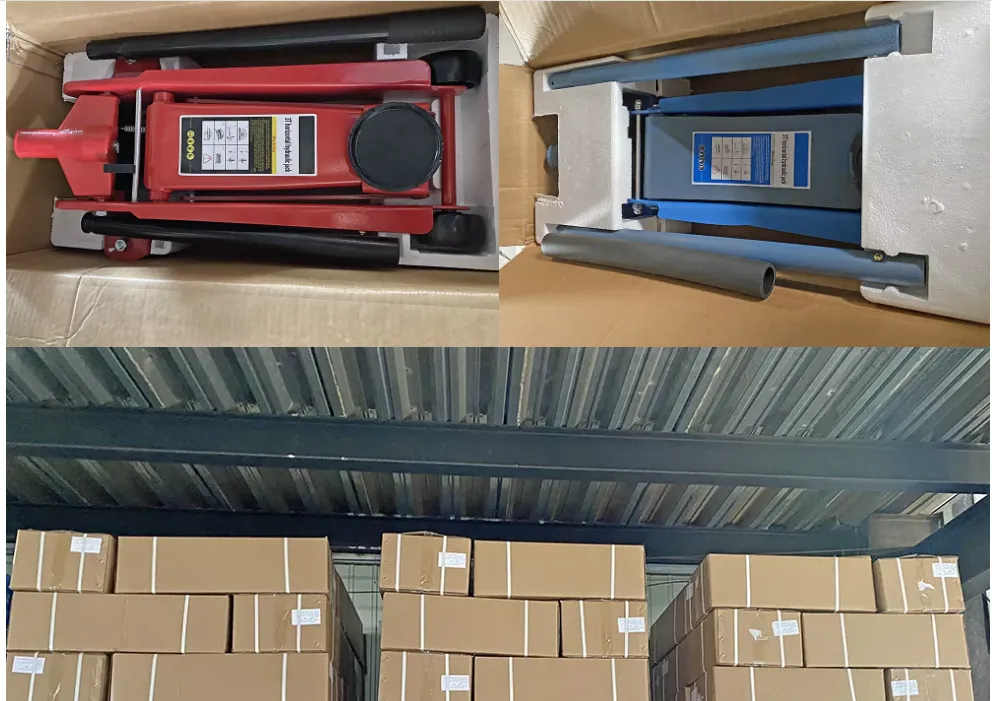
The 2 ton aluminum racing floor jack with rapid pump is a critical piece of equipment in automotive maintenance and racing industries. Positioned within the lifting and positioning equipment sector, this jack serves as a mobile hydraulic lifting device, primarily designed for quickly raising vehicles for tire changes, undercarriage inspections, and general repair work. Unlike traditional steel jacks, the utilization of aluminum alloys significantly reduces weight while maintaining structural integrity. The rapid pump mechanism, employing a dual-seal design, distinguishes this jack from conventional single-piston systems, facilitating faster lift cycles and improved operational efficiency. Core performance characteristics include lifting capacity (2 tons/4000 lbs), minimum lift height, maximum lift height, and pump stroke efficiency. The rising demand for lighter, faster, and more reliable lifting solutions drives its prevalence in professional automotive environments.
Material Science & Manufacturing
The primary material for the jack’s body and lifting arm is 6061-T6 aluminum alloy, selected for its high strength-to-weight ratio, excellent corrosion resistance, and weldability. This alloy composition consists predominantly of aluminum with magnesium and silicon additions, providing enhanced mechanical properties. The hydraulic cylinder employs a high-strength carbon steel (AISI 1045) honed internally for a smooth piston seal and extended service life. Seals are constructed from nitrile butadiene rubber (NBR), chosen for its compatibility with hydraulic fluids and resistance to abrasion. The manufacturing process begins with aluminum billet extrusion for the jack’s housing and lifting arm, followed by precision CNC machining to achieve critical dimensions and tolerances. Welding operations, utilizing Gas Tungsten Arc Welding (GTAW), join various aluminum components. Hydraulic cylinder manufacturing involves honing, polishing, and rigorous testing to ensure leak-free operation. The rapid pump mechanism utilizes a dual-piston configuration. Parameter control focuses on wall thickness uniformity during extrusion, weld penetration depth during GTAW, surface finish of the cylinder bore, and the hardness of the steel components. Quality control includes dimensional inspections, non-destructive testing (NDT) for weld integrity, and hydraulic pressure testing at various stages of assembly.
Performance & Engineering
Performance is dictated by Pascal’s Law, governing the hydraulic system. The force applied to the small piston in the pump is multiplied by the area ratio to generate lifting force at the larger piston in the cylinder. The rapid pump design employs a dual-seal system, increasing pumping speed by effectively doubling the volume of fluid displaced per stroke. Engineering analysis centers around stress distribution within the lifting arm under maximum load, employing Finite Element Analysis (FEA) to identify potential stress concentration points and optimize structural design. Environmental resistance is assessed through salt spray testing (ASTM B117) to evaluate corrosion protection, and temperature cycle testing to ensure functionality across a wide temperature range (-20°C to 60°C). Compliance requirements include adherence to ASME B30.1 standards for mobile hydraulic jacks, and CE marking for European market access. A critical safety feature is the overload protection valve, which automatically releases pressure when the jack exceeds its rated capacity, preventing catastrophic failure. The saddle design incorporates textured surface to prevent vehicle slippage, and a safety lock mechanism to maintain lifted height during maintenance.
Technical Specifications
| Parameter | Specification | Testing Standard | Tolerance |
|---|---|---|---|
| Lifting Capacity | 2 Tons (4000 lbs) | ASME B30.1 | ±5% |
| Minimum Lift Height | 3.5 inches (89 mm) | In-house QC | ±0.1 inch |
| Maximum Lift Height | 24 inches (610 mm) | In-house QC | ±0.2 inch |
| Pump Type | Rapid Pump (Dual-Piston) | Performance Test | Cycle Time: ≤ 8 strokes to full lift |
| Hydraulic Fluid | High-Grade Hydraulic Oil (ISO VG32) | Fluid Analysis | Viscosity: 30-35 cSt @ 40°C |
| Material - Body | 6061-T6 Aluminum Alloy | Material Certification | Tensile Strength: ≥ 310 MPa |
Failure Mode & Maintenance
Common failure modes include hydraulic seal degradation leading to fluid leaks, fatigue cracking in the lifting arm due to repeated stress cycles, and corrosion of steel components. Leakage typically manifests as a gradual reduction in lifting capacity or inability to maintain lifted height. Fatigue cracking often initiates at stress concentration points, such as weld joints or areas with sharp corners. Corrosion primarily affects the hydraulic cylinder and valve components, causing pitting and reduced functionality. Oxidation of hydraulic fluid can lead to sludge formation and pump inefficiency. Maintenance procedures include regular inspection of seals for leaks, lubrication of moving parts, and periodic hydraulic fluid replacement (every 12-24 months). Visual inspection for cracks, dents, or corrosion is crucial. Proper storage in a clean, dry environment prevents corrosion. If leakage occurs, the affected seal should be replaced with a compatible NBR seal. Fatigue cracks require immediate repair or component replacement. Preventative maintenance significantly extends the lifespan and ensures reliable operation of the jack. Avoid exceeding the rated capacity to prevent structural overload and premature failure.
Industry FAQ
Q: What is the significance of the dual-piston rapid pump design compared to a standard single-piston pump?
A: The dual-piston design significantly reduces the time required to reach maximum lift height. By effectively doubling the fluid volume displaced per stroke, it halves the number of pumping actions needed, resulting in faster operation, which is critical in racing environments where speed is paramount. It also reduces operator fatigue.
Q: What are the implications of using aluminum alloy instead of steel for the jack’s body?
A: Aluminum alloy offers a substantial weight reduction compared to steel, improving portability and maneuverability. While steel is stronger, the 6061-T6 aluminum alloy used provides sufficient strength for the 2-ton capacity when properly engineered and manufactured. Aluminum also exhibits excellent corrosion resistance, reducing the risk of rust.
Q: How does the overload protection valve function, and what is its importance?
A: The overload protection valve is a pressure relief mechanism that automatically releases hydraulic pressure if the jack is subjected to a load exceeding its 2-ton capacity. This prevents structural damage to the jack and reduces the risk of a catastrophic failure that could endanger personnel or equipment. It’s a critical safety feature.
Q: What type of hydraulic fluid is recommended, and what are the consequences of using an incompatible fluid?
A: We recommend a high-grade hydraulic oil conforming to ISO VG32 standards. Using an incompatible fluid (e.g., brake fluid, mineral oil) can cause seal swelling, corrosion, and pump damage, leading to leaks and reduced performance. It can also void the warranty.
Q: What is the recommended maintenance schedule to ensure the longevity of the jack?
A: We recommend a visual inspection for leaks, cracks, and corrosion before each use. Lubricate all moving parts monthly. Replace the hydraulic fluid every 12-24 months. Store the jack in a clean, dry environment when not in use. Regular maintenance significantly extends its service life.
Conclusion
The 2-ton aluminum racing floor jack with rapid pump represents a significant advancement in lifting technology, catering specifically to the demands of the automotive and racing industries. Its lightweight aluminum construction, combined with the efficient rapid pump mechanism, delivers a superior balance of speed, portability, and reliability. Understanding the underlying material science, manufacturing processes, and performance engineering principles is crucial for informed procurement and proper operation.
Continued innovation in hydraulic systems, materials science, and safety features will further enhance the capabilities of these jacks. Future developments may focus on integrating smart sensors for load monitoring, implementing wireless control systems, and exploring alternative materials for even greater weight reduction and corrosion resistance. Adhering to relevant industry standards and implementing a proactive maintenance program are paramount to ensure long-term performance and operator safety.
