Introduction
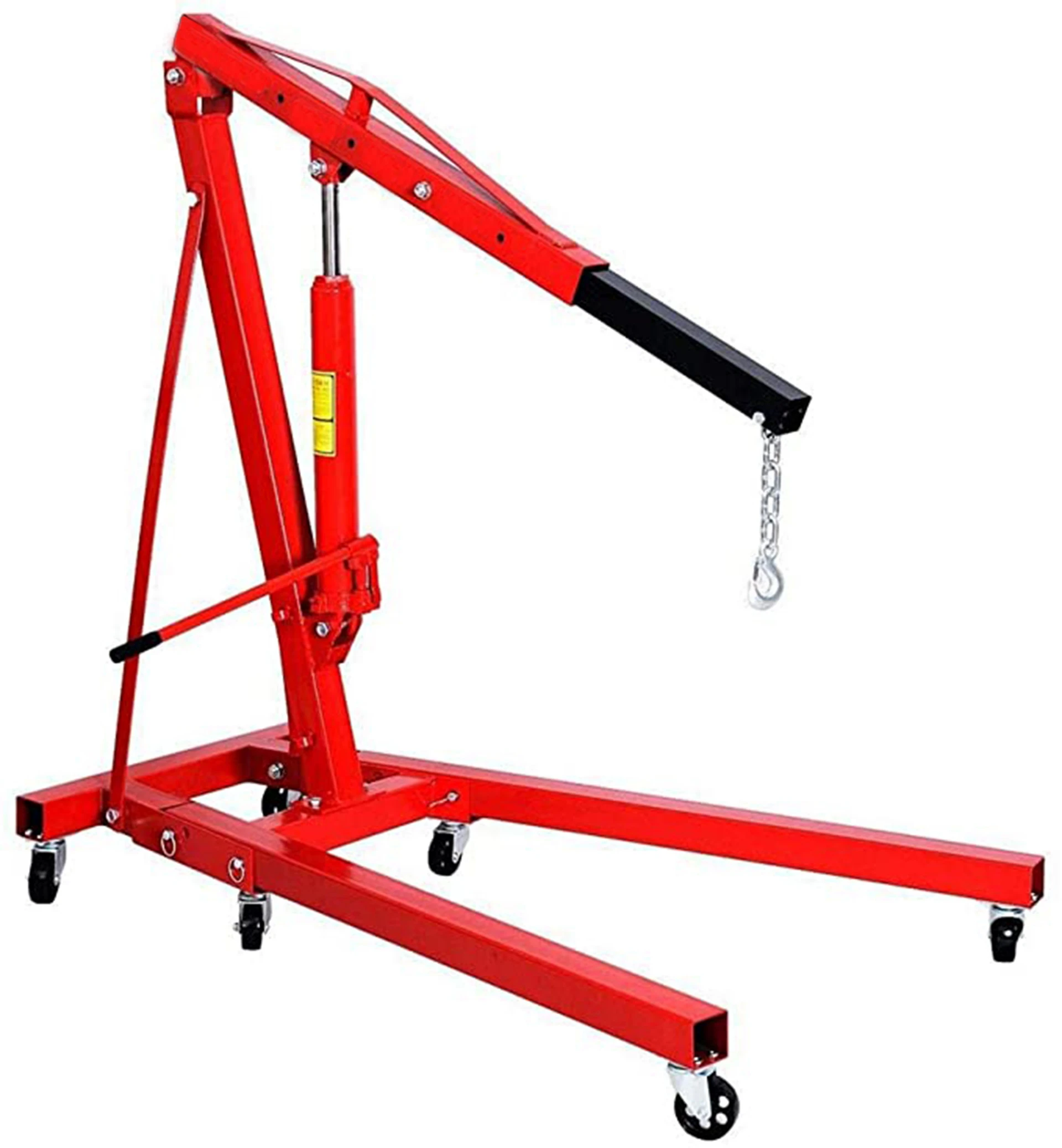
The 2-ton heavy-duty floor jack is a critical piece of equipment utilized across automotive, industrial maintenance, and construction sectors for lifting vehicles and heavy machinery. Functioning on the principle of Pascal’s Law, these jacks employ hydraulic force to generate substantial lifting power. Positioned within the broader materials handling equipment chain, its performance is paramount to operational efficiency and safety. Core performance characteristics include lifting capacity (2 tons/4000 lbs), minimum lift height, maximum lift height, and operational safety features like overload protection and controlled lowering mechanisms. The demand for robust and reliable floor jacks stems from increasing vehicle weights and the need for efficient repair and maintenance procedures. A key pain point in the industry is the prevalence of lower-quality jacks with inadequate safety margins and premature failure rates, resulting in workplace hazards and operational downtime.
Material Science & Manufacturing
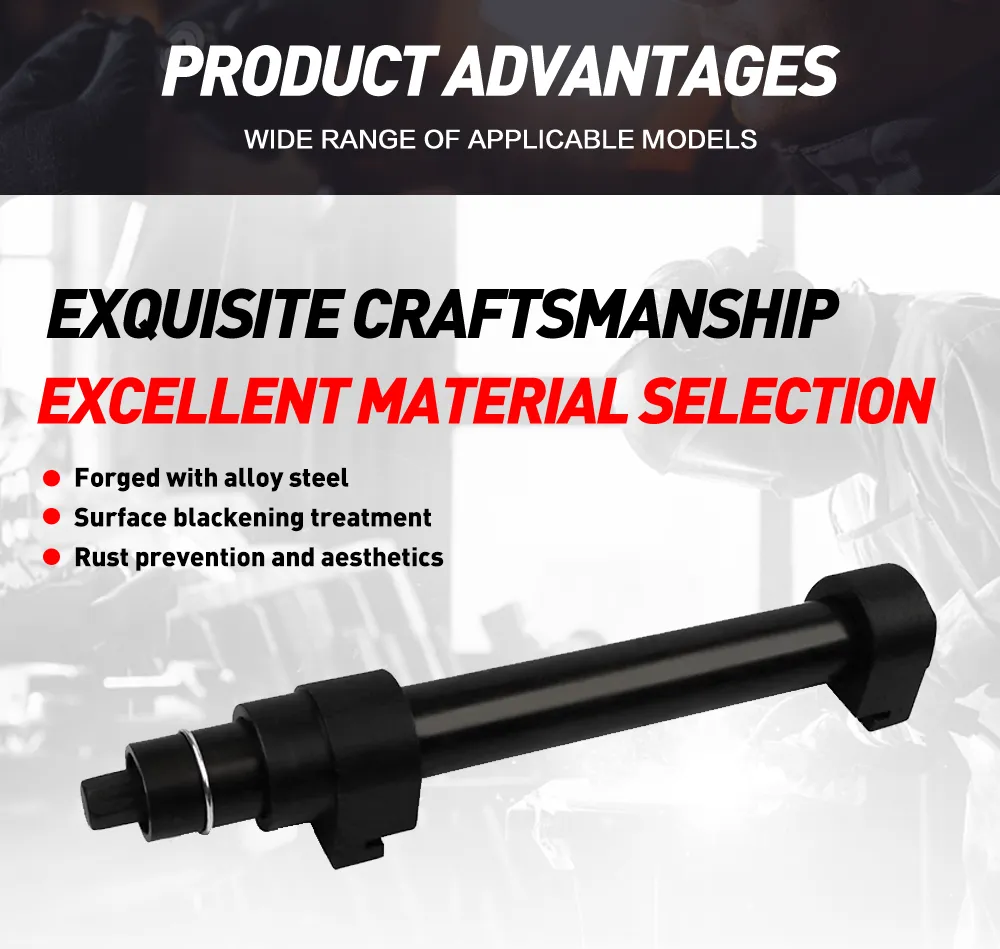
The primary materials in a 2-ton heavy-duty floor jack significantly impact its strength, durability, and resistance to corrosion. The hydraulic cylinder, the core lifting component, is typically constructed from high-strength carbon steel (AISI 1045 or equivalent) due to its excellent machinability and tensile strength. The jack’s frame and lifting arm often utilize structural steel (A36 or equivalent) selected for its weldability and load-bearing capacity. Piston seals are commonly made from nitrile rubber (Buna-N) or Viton, chosen for their resistance to hydraulic fluid and wide temperature range. Manufacturing processes involve precision machining of the cylinder and piston, followed by welding of the frame components. Critical parameter control during welding includes maintaining appropriate heat input to avoid material distortion and ensuring complete penetration for structural integrity. Hydraulic fluid, typically a mineral oil-based formulation, must meet stringent purity standards (ISO 4406) to prevent wear and corrosion within the hydraulic system. Surface treatments, such as phosphate coating and powder coating, are applied to steel components to enhance corrosion resistance. Quality control procedures include hydrostatic testing to verify the cylinder’s pressure holding capability and non-destructive testing (NDT), such as ultrasonic testing, to detect internal flaws in weldments.
Performance & Engineering
The performance of a 2-ton floor jack is governed by principles of fluid mechanics and structural mechanics. Force analysis dictates that the output force is proportional to the input force and the ratio of the output piston area to the input piston area (Pascal's Law). The jack’s design must account for bending moments and shear stresses in the lifting arm and frame. Finite Element Analysis (FEA) is employed during the design phase to optimize structural components and minimize stress concentrations. Environmental resistance is critical; prolonged exposure to moisture, dust, and temperature fluctuations can lead to corrosion and degradation of seals. Compliance requirements include adherence to ASME B30.1 standards for mobile hydraulic lifts, ensuring safe operating procedures and regular inspection protocols. The controlled lowering mechanism utilizes a release valve to regulate the flow of hydraulic fluid, providing smooth and predictable descent. The valve’s responsiveness and precision are essential for operator safety. Overload protection, typically implemented via a pressure relief valve, prevents the jack from exceeding its rated capacity. The jack’s stability is also a key engineering consideration, ensuring it remains stable even when lifting off-center loads.
Technical Specifications
| Parameter | Specification | Testing Standard | Tolerance |
|---|---|---|---|
| Lifting Capacity | 2 tons (4000 lbs) | ASME B30.1 | ±5% |
| Minimum Lift Height | 3.5 inches (89 mm) | In-house QC | ±0.2 inches |
| Maximum Lift Height | 15.75 inches (400 mm) | In-house QC | ±0.2 inches |
| Pump Stroke | 4 inches (102 mm) | In-house QC | ±0.1 inches |
| Hydraulic Fluid Capacity | 2.5 quarts (2.4 L) | ISO 4406 | ±0.1 quarts |
| Frame Material | A36 Structural Steel | ASTM A36 | Compliant |
Failure Mode & Maintenance
Common failure modes in 2-ton heavy-duty floor jacks include hydraulic seal failure, cylinder corrosion, weld cracking, and deformation of the lifting arm. Hydraulic seal failure often results from contamination of the hydraulic fluid, leading to abrasion and loss of sealing capability. Cylinder corrosion occurs due to moisture ingress and lack of protective coatings. Weld cracking can initiate at stress concentrations near weld joints, especially under cyclic loading. Deformation of the lifting arm is often caused by overloading or impact damage. Fatigue cracking can occur in the lifting arm due to repeated stress cycles over time. Regular maintenance is crucial to prevent these failures. This includes inspecting the hydraulic fluid level and condition, checking for leaks, lubricating moving parts, and inspecting welds for cracks. Hydraulic fluid should be replaced every 12-24 months, or more frequently in harsh environments. Seals should be inspected and replaced as needed. If corrosion is detected, the affected area should be cleaned, treated with a rust converter, and repainted. Always adhere to the manufacturer’s recommended maintenance schedule and safety guidelines. Proper storage in a clean, dry environment will significantly extend the jack’s lifespan.
Industry FAQ
Q: What is the significance of the ASME B30.1 standard for floor jacks?
A: ASME B30.1 establishes safety requirements for mobile hydraulic lifts, including floor jacks. Compliance ensures the jack has been designed, constructed, and tested to meet minimum safety criteria, minimizing the risk of accidents and injuries. It covers aspects like load rating, stability, testing procedures, and inspection intervals.
Q: How does hydraulic fluid contamination affect jack performance?
A: Contamination introduces abrasive particles into the hydraulic system, leading to wear on seals, pistons, and cylinder walls. This results in reduced efficiency, leakage, and ultimately, failure of the hydraulic system. Maintaining hydraulic fluid purity is critical for long-term reliability.
Q: What are the primary causes of weld cracking in floor jack frames?
A: Weld cracking is typically caused by high stress concentrations, improper welding techniques (e.g., insufficient penetration, excessive heat input), and the presence of material defects. Cyclic loading can also contribute to fatigue cracking over time. Regular visual inspection of welds is essential.
Q: What type of hydraulic fluid is recommended for optimal performance?
A: A high-quality mineral oil-based hydraulic fluid meeting ISO 4406 standards is generally recommended. The fluid should have good thermal stability, corrosion resistance, and compatibility with the jack’s seals. Synthetic fluids can offer improved performance in extreme temperatures but are typically more expensive.
Q: How often should the hydraulic fluid be changed?
A: It's recommended to change the hydraulic fluid every 12-24 months under normal operating conditions. More frequent changes are recommended for heavy use or in dusty/dirty environments. Regularly inspect the fluid for discoloration or debris, which indicates contamination.
Conclusion
The 2-ton heavy-duty floor jack remains an indispensable tool across numerous industries, relying on a fundamental interplay of material science, hydraulic principles, and robust engineering design. Its performance is directly tied to the quality of its constituent materials – high-strength steel for structural integrity, specialized rubbers for sealing, and meticulously filtered hydraulic fluid for efficient power transmission. Addressing the key pain points of the industry – namely, premature failure due to contamination, corrosion, and inadequate safety features – requires a commitment to rigorous quality control, adherence to industry standards like ASME B30.1, and diligent preventative maintenance.
Future developments in floor jack technology may focus on incorporating advanced materials like lightweight alloys to reduce weight, implementing smart sensors for overload detection and predictive maintenance, and exploring alternative hydraulic fluid formulations with improved environmental performance. Ultimately, prioritizing safety, reliability, and longevity remains paramount to ensuring the continued utility of this essential piece of industrial equipment.
