
Introduction
The 2-ton hydraulic car jack is a ubiquitous tool in automotive maintenance and repair, providing a mechanical advantage for lifting vehicles to facilitate tasks such as tire changes, oil changes, and undercarriage work. Positioned within the lifting equipment industry, it functions as a critical component enabling safe and efficient vehicle access. Its core performance centers on its lifting capacity, operational pressure, and stability under load. Unlike mechanical screw jacks, hydraulic jacks utilize Pascal's principle to amplify force, resulting in significantly reduced effort required from the operator. Key performance indicators include lift height, minimum saddle height, and pump stroke length. The industry faces challenges regarding safety, long-term durability, and maintaining consistent performance across varied operating temperatures and environments.
Material Science & Manufacturing
The primary materials used in a 2-ton hydraulic car jack are steel (various alloys), hydraulic fluid (typically mineral oil-based), and polymers (for seals and components). Steel compositions vary based on component function; higher carbon steels are used for structural members requiring high tensile strength (e.g., the lifting arm and jack stand interface) while ductile iron is common for the jack housing. Hydraulic fluid must exhibit high viscosity index, anti-wear properties, and corrosion inhibition. Seal materials, commonly nitrile rubber (NBR) or Viton (FKM), must be compatible with the hydraulic fluid and withstand significant pressure and temperature fluctuations.
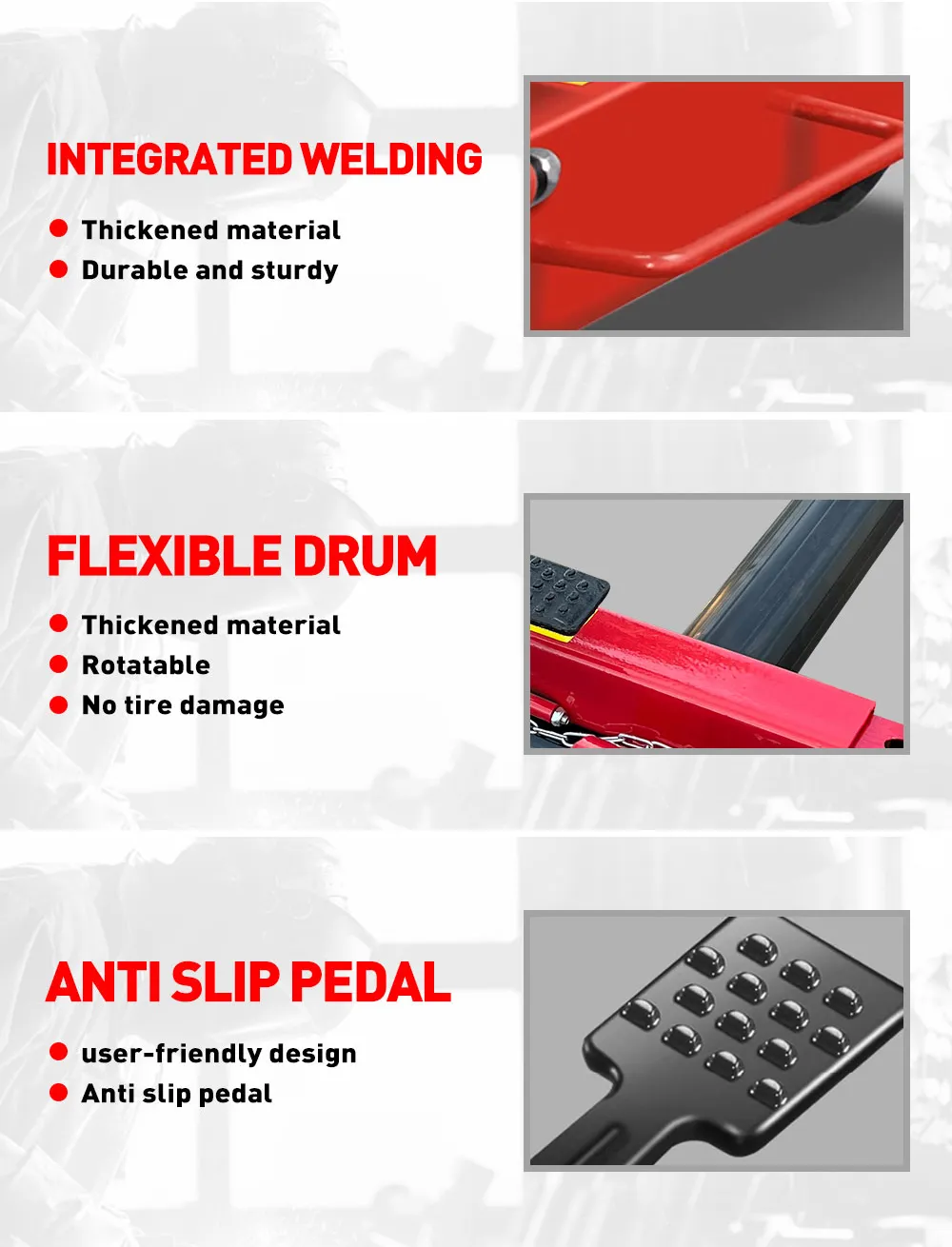
Manufacturing processes involve several key steps. Steel components are often produced via forging or casting, followed by machining to precise tolerances. Welding is extensively used to assemble structural elements, demanding stringent quality control to ensure weld integrity and prevent cracking under stress. The hydraulic cylinder is honed to a smooth finish to minimize friction and prevent seal damage. Injection molding is used for polymer components. The hydraulic system is assembled and pressure tested multiple times. Parameter control is critical throughout: steel alloy composition must adhere to specifications, welding parameters (current, voltage, gas shielding) must be optimized, and hydraulic fluid purity must be maintained to prevent component wear and system failure. Surface treatments, such as phosphate coating, are often applied to steel parts to enhance corrosion resistance.
Performance & Engineering
The performance of a 2-ton hydraulic jack hinges on force analysis dictated by Pascal's principle (Pressure = Force / Area). The jack’s lifting capacity of 2 tons (approximately 4000 lbs or 1814 kg) is achieved by applying a relatively small force to a small piston area, creating pressure within the hydraulic fluid, which then acts upon a larger piston area to generate the lifting force. Engineering considerations include the stress-strain relationship of the steel components, ensuring they can withstand the applied loads with an adequate safety factor. Stability is crucial, and jack design incorporates a wide base and low center of gravity to resist tipping. Environmental resistance is addressed through corrosion protection and seal material selection.
Compliance requirements are paramount. Hydraulic jacks must meet safety standards set by organizations like ASME (American Society of Mechanical Engineers) and potentially regional regulatory bodies. These standards dictate minimum material strength, manufacturing processes, and testing procedures. The pump mechanism’s efficiency and stroke length influence the number of pumps required to achieve full lift. The jack’s hydraulic circuit includes a release valve, ensuring controlled descent of the load. Finite Element Analysis (FEA) is routinely employed during the design phase to simulate stress distribution and optimize component geometry for maximum strength and minimal weight.
Technical Specifications
| Parameter | Specification | Testing Standard | Tolerance |
|---|---|---|---|
| Lifting Capacity | 2 Tons (4000 lbs / 1814 kg) | ASME PA20 | ±5% |
| Minimum Lift Height | 135 mm (5.3 in) | In-house QA | ±3 mm |
| Maximum Lift Height | 330 mm (13 in) | In-house QA | ±5 mm |
| Hydraulic Fluid Capacity | 0.3 Liters | ISO 3448 | ±0.02 Liters |
| Pump Stroke Length | 80 mm (3.15 in) | In-house QA | ±1 mm |
| Saddle Diameter | 60 mm (2.4 in) | In-house QA | ±0.5 mm |
Failure Mode & Maintenance
Common failure modes in 2-ton hydraulic car jacks include hydraulic fluid leaks (due to seal degradation or fitting failure), cylinder drift (caused by internal seal wear or damage), structural failure of the lifting arm (due to fatigue cracking or exceeding load capacity), and pump mechanism malfunction (resulting in inability to generate sufficient pressure). Fatigue cracking typically initiates at stress concentration points, such as weld joints or areas with sharp corners. Delamination can occur in polymer seals due to repeated compression and exposure to incompatible fluids. Degradation of hydraulic fluid occurs over time due to contamination and oxidation, reducing its lubricating properties and increasing corrosion. Oxidation can cause internal rusting of the cylinder walls.
Preventative maintenance is critical. Regularly inspect the jack for fluid leaks, damage to the lifting arm, and proper operation of the release valve. Ensure the hydraulic fluid is clean and at the proper level. Lubricate moving parts with appropriate grease. Avoid exceeding the rated lifting capacity. Store the jack in a clean, dry environment. If leaks are detected, replace the affected seals or fittings. If the pump mechanism is malfunctioning, it may require disassembly and repair or replacement. Annual pressure testing is recommended to verify system integrity. Never attempt to modify the jack in any way, as this can compromise its structural integrity and safety.
Industry FAQ
Q: What is the impact of hydraulic fluid viscosity on jack performance?
A: Hydraulic fluid viscosity directly affects jack operation. Lower viscosity fluids result in faster operation but may offer less lubrication, increasing wear. Higher viscosity fluids provide better lubrication but can slow down operation and increase resistance, particularly in cold temperatures. Selecting a fluid with the correct viscosity index (as specified by the manufacturer) is crucial for optimal performance across a range of temperatures.
Q: How does temperature affect the jack’s lifting capacity?
A: Extreme temperatures can impact the lifting capacity. High temperatures can cause hydraulic fluid to thin, potentially leading to reduced pressure and a slight decrease in lifting capacity. Cold temperatures can increase fluid viscosity, slowing operation and potentially reducing capacity if the fluid becomes too thick to flow efficiently. The jack is typically rated for operation within a specific temperature range.
Q: What type of steel is best suited for the lifting arm?
A: High-strength alloy steels, such as 4140 or 8640, are commonly used for the lifting arm due to their excellent tensile strength, yield strength, and fatigue resistance. These alloys are also readily weldable, allowing for robust assembly. Proper heat treatment is essential to achieve the desired mechanical properties.
Q: How often should the hydraulic fluid be replaced?
A: Hydraulic fluid should be replaced every 12-24 months, or more frequently if the jack is used heavily or exposed to harsh environments. Regular fluid changes prevent the buildup of contaminants and maintain optimal lubrication and corrosion protection.
Q: What are the key safety features incorporated into the jack’s design?
A: Key safety features include a controlled descent valve to prevent rapid lowering, a safety overload valve to prevent exceeding the rated capacity, a stable base to resist tipping, and a robust locking mechanism to secure the jack in the lowered position. Regular inspection of these features is essential to ensure continued safe operation.
Conclusion
The 2-ton hydraulic car jack represents a mature technology reliant on fundamental principles of fluid mechanics and material science. Its continued effectiveness and safety depend on careful material selection, precise manufacturing processes, and adherence to industry standards. Understanding the potential failure modes and implementing a robust preventative maintenance program are vital for maximizing its service life and minimizing the risk of accidents.
Future developments may focus on incorporating advanced materials like high-strength lightweight alloys and improved seal technologies to enhance performance and durability. Integration of sensors for load monitoring and predictive maintenance could also become increasingly prevalent. The continued emphasis on safety and compliance will remain paramount, driving ongoing refinement of design and manufacturing practices.
