Introduction
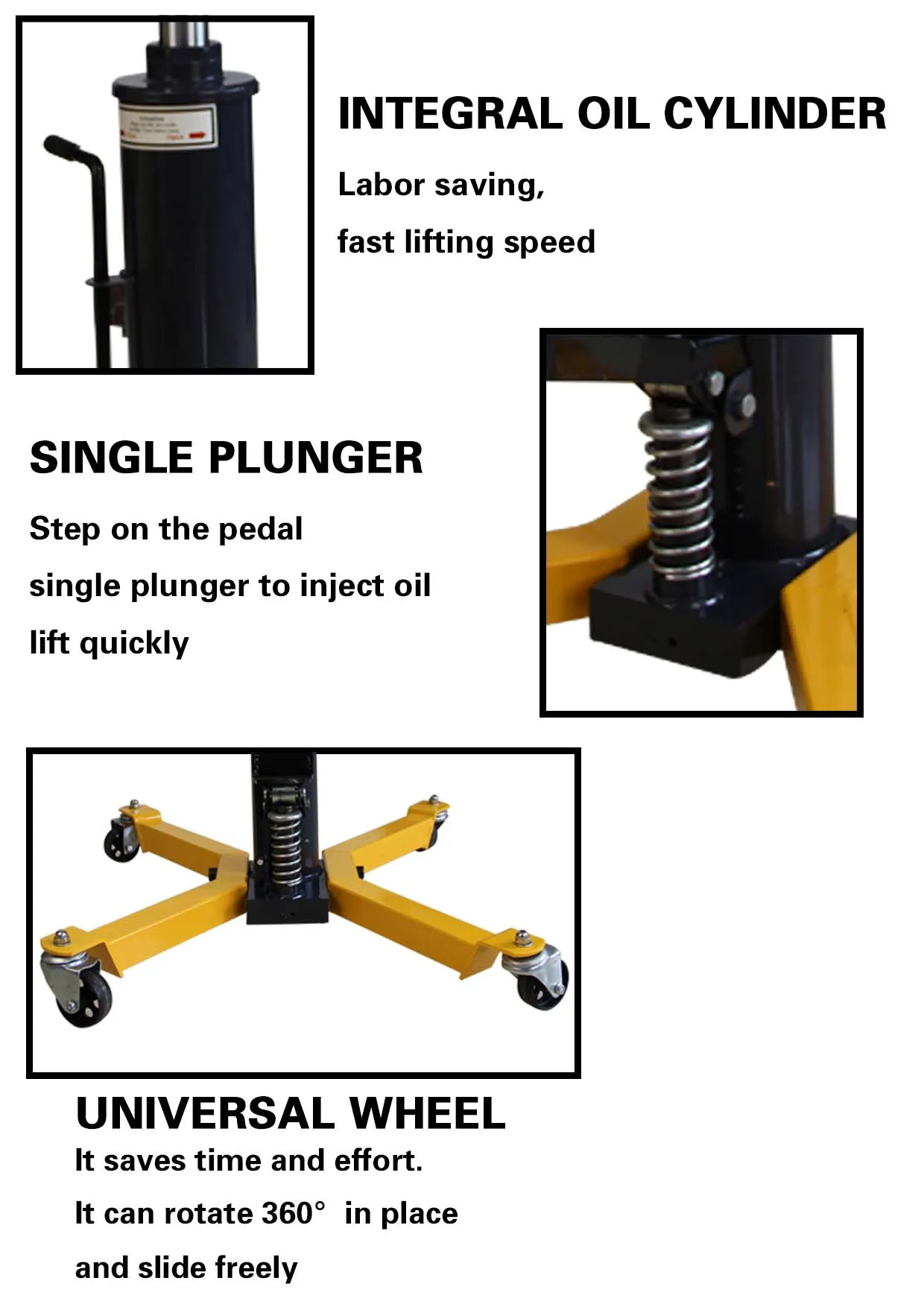
The car floor jack is a mechanical lifting device utilized in automotive maintenance and repair to raise vehicles for tasks such as tire changes, oil changes, and undercarriage work. Positioned within the automotive tool chain, it’s a critical component for safe and efficient vehicle access. These jacks operate on the principle of hydraulic or mechanical advantage, translating a relatively small force applied to the handle into a significantly larger lifting force. Core performance characteristics revolve around lifting capacity (tonnage), minimum and maximum lifting heights, and stability under load. A primary industry pain point is ensuring operator safety through robust design, reliable release mechanisms, and clear operational instructions. Furthermore, the durability and longevity of the jack in harsh garage environments, often exposed to moisture, dirt, and corrosive fluids, represent a constant engineering challenge. This guide details the material science, manufacturing processes, performance parameters, failure modes, and maintenance procedures essential for understanding and selecting appropriate car floor jacks for professional and consumer use.
Material Science & Manufacturing
Car floor jacks are typically constructed from steel alloys, primarily carbon steel and alloy steel, selected for their high yield strength and ductility. The hydraulic cylinder, a critical component, uses high-grade steel tubing honed for a smooth internal surface to minimize friction and prevent seal degradation. Seal materials are often nitrile rubber (NBR) or Viton (fluoroelastomer) chosen for their resistance to hydraulic fluid and temperature fluctuations. The jack’s frame and lifting arm are often manufactured from structural steel (e.g., ASTM A36) providing sufficient strength and weldability. Manufacturing processes vary based on component. The hydraulic cylinder requires precision machining of the cylinder bore and piston. Welding is extensively used in frame construction, demanding adherence to AWS D1.1 structural welding code. Quality control focuses on weld integrity via non-destructive testing (NDT) like ultrasonic testing (UT) and radiographic testing (RT). The pump assembly utilizes deep drawing and stamping for the reservoir and other components. Heat treatment processes, such as quenching and tempering, are crucial for achieving the desired hardness and toughness in critical steel parts. Surface treatments like phosphate coating or powder coating provide corrosion resistance. Parameter control during welding involves maintaining proper amperage, voltage, and shielding gas composition to minimize porosity and ensure optimal weld penetration. Hydraulic fluid formulation is also critical; it must exhibit appropriate viscosity, lubricity, and resistance to shear breakdown. Material traceability is paramount, ensuring each component's origin and compliance with specified standards.
Performance & Engineering
The performance of a car floor jack hinges on its capacity to safely lift and hold a specified load. Force analysis dictates the structural requirements of the lifting arm and frame to withstand bending moments and shear stresses. Finite element analysis (FEA) is routinely employed during the design phase to optimize geometry and minimize weight while maintaining structural integrity. Stability is a critical factor, especially when lifting vehicles on uneven surfaces. The base of the jack needs a sufficiently large footprint and low center of gravity to prevent tipping. Hydraulic systems are assessed based on pressure ratings, flow rates, and volumetric efficiency. Compliance requirements include adherence to ASME PASE 2015 (Safety Standard for Portable Lifting Devices) which covers design, manufacturing, and testing. Environmental resistance is also crucial. Jacks operating in corrosive environments require robust protective coatings and corrosion-resistant materials. The release mechanism must be engineered for smooth, controlled descent, preventing sudden drops. The saddle (contact point with the vehicle) is often coated with rubber or polymer to prevent damage to the vehicle’s undercarriage and provide enhanced grip. The handle length is optimized to provide sufficient mechanical advantage while maintaining user comfort and ease of operation. Locking mechanisms are designed with multiple redundant safety features to prevent accidental release of the load. Fatigue analysis is essential to predict the lifespan of components under repeated loading cycles.
Technical Specifications
| Lifting Capacity (Tons) | Minimum Lifting Height (mm) | Maximum Lifting Height (mm) | Net Weight (kg) |
|---|---|---|---|
| 2 | 75 | 380 | 8.5 |
| 3 | 70 | 465 | 12.2 |
| 4 | 75 | 530 | 15.8 |
| 5 | 80 | 610 | 18.5 |
| 6 | 85 | 680 | 21.0 |
| 8 | 90 | 760 | 25.5 |
Failure Mode & Maintenance
Common failure modes in car floor jacks include hydraulic fluid leaks, seal degradation, cylinder corrosion, weld cracking, and handle breakage. Hydraulic leaks typically arise from worn seals or damaged hydraulic lines. Cylinder corrosion occurs due to exposure to moisture and corrosive environments. Weld cracking can result from fatigue loading or improper welding procedures. Handle breakage is often caused by material defects or excessive force applied during operation. Fatigue cracking in the lifting arm is a serious failure mode that can lead to catastrophic collapse. Delamination of the base plate can occur due to corrosion or impact damage. Preventative maintenance is crucial for extending the jack’s lifespan. Regular inspection of hydraulic lines and fittings for leaks is essential. Periodic replacement of seals (typically annually or bi-annually depending on usage) prevents fluid leakage. Lubrication of moving parts minimizes friction and wear. Corrosion protection involves cleaning the jack and applying a protective coating. Checking weld integrity for cracks or defects is vital. Proper storage in a dry environment prevents corrosion. If a leak is detected, the system must be bled to remove air and restore hydraulic pressure. Never exceed the jack’s rated lifting capacity. Always use the jack on a level, stable surface. Inspect the saddle for wear or damage before each use. Avoid using the jack to support a vehicle during prolonged maintenance; always use jack stands.
Industry FAQ
Q: What is the significance of the pump type (single vs. double piston) in a hydraulic floor jack?
A: The pump type significantly impacts lifting speed and effort. A single-piston pump requires more strokes to achieve the same lifting height as a double-piston pump. Double-piston pumps effectively double the hydraulic fluid displacement per stroke, resulting in faster lifting and reduced operator effort, particularly with heavier loads. However, double-piston pumps are generally more complex and potentially more expensive to manufacture.
Q: How does the material of the lifting arm affect the jack's long-term durability?
A: The material of the lifting arm – typically high-strength alloy steel – is critical for resisting bending and torsional stresses during lifting. Higher-grade steel alloys with appropriate heat treatment provide superior strength and fatigue resistance. The quality of the welding joining the arm to the frame also impacts durability; flawed welds are prime locations for crack initiation. Consistent material composition and rigorous quality control during manufacturing are essential.
Q: What safety features are most important to look for in a floor jack?
A: Redundant locking mechanisms are paramount, ensuring the jack remains secured even if the primary locking mechanism fails. A pressure relief valve prevents over-pressurization of the hydraulic system, mitigating the risk of catastrophic failure. A stable base with a low center of gravity is vital to prevent tipping. Clear and durable safety labels provide crucial operating instructions and warnings.
Q: What is the recommended maintenance schedule for a hydraulic floor jack used in a professional automotive shop?
A: Professional shops should implement a rigorous maintenance schedule. This includes daily visual inspection for leaks and damage, monthly lubrication of all moving parts, semi-annual seal replacement, and annual hydraulic fluid replacement. Regular pressure testing of the hydraulic system is also recommended. Maintaining detailed maintenance records is crucial for ensuring the jack’s continued safe operation.
Q: How does the operating temperature affect the performance of a hydraulic floor jack?
A: Extreme temperatures can affect the viscosity of the hydraulic fluid. In cold temperatures, the fluid becomes thicker, potentially slowing down lifting speed and increasing effort. In high temperatures, the fluid can thin, potentially reducing efficiency and increasing the risk of leaks. Using a hydraulic fluid specifically formulated for a wide temperature range is crucial for consistent performance in various environments.
Conclusion
The car floor jack, while seemingly simple, represents a sophisticated application of mechanical and hydraulic principles. Its performance and reliability are directly tied to material selection, manufacturing precision, and adherence to stringent safety standards. Understanding the core performance characteristics – lifting capacity, stability, and durability – is critical for selecting the appropriate jack for a given application. Addressing common failure modes through preventative maintenance is vital for extending the jack’s lifespan and ensuring operator safety.
Future advancements in car floor jack technology may focus on lightweight materials, improved hydraulic systems, and enhanced safety features such as automatic overload protection and integrated sensors for monitoring system pressure and stability. The integration of smart technology, such as wireless communication for remote operation and diagnostic reporting, could also become increasingly prevalent. Ultimately, the continued evolution of this essential automotive tool will be driven by the need for increased safety, efficiency, and ease of use.
