Introduction
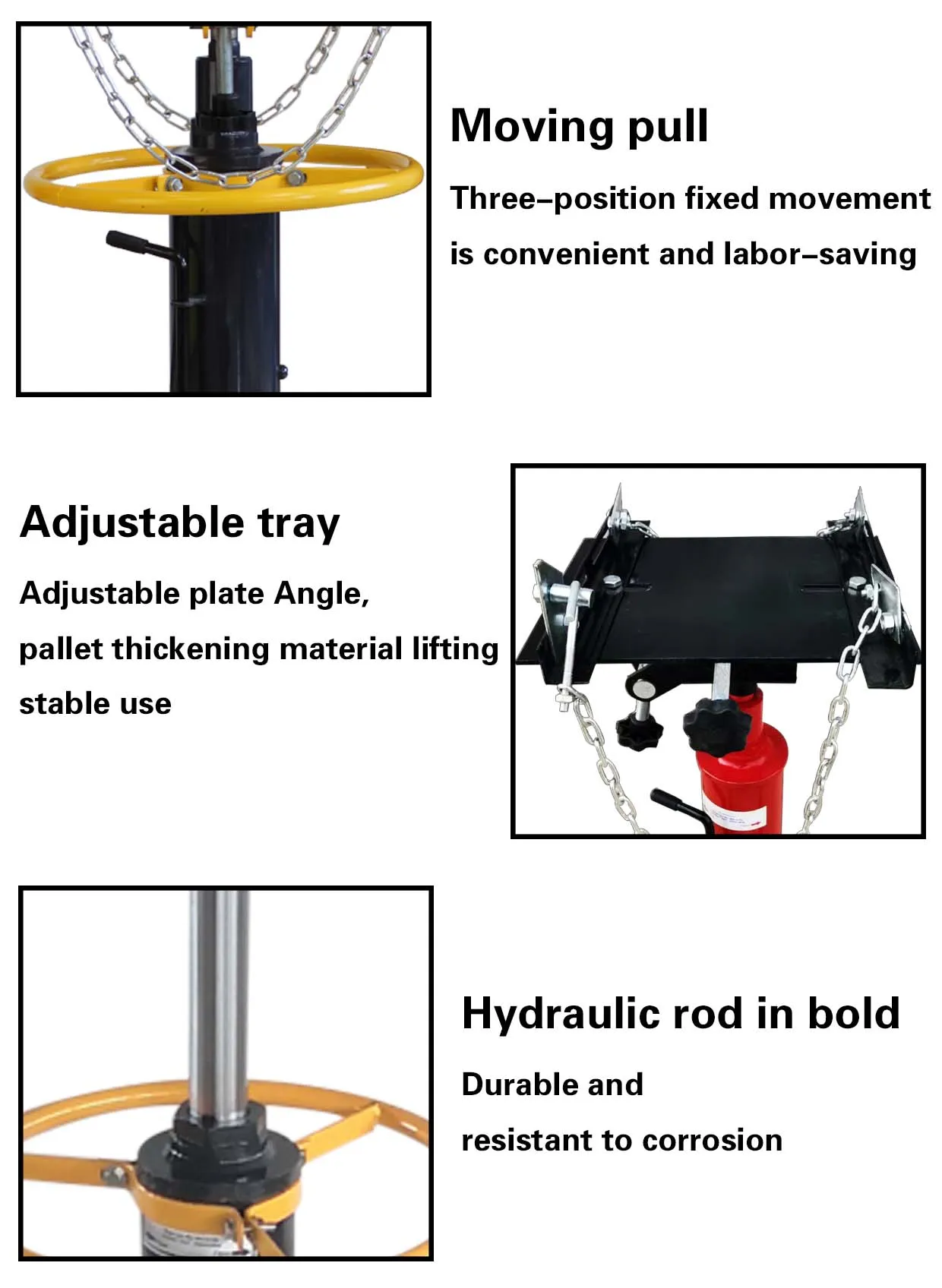
The car hydraulic jack is a critical component of automotive maintenance and emergency repair equipment. Positioned within the automotive aftermarket supply chain, it serves as a lifting device enabling tire changes, undercarriage repairs, and vehicle inspections. Hydraulic jacks leverage Pascal’s principle, utilizing an incompressible fluid – typically oil – to transmit force, multiplying the applied input force to lift substantial vehicle weight. Core performance characteristics center around lifting capacity (measured in tons or kilograms), lifting range (minimum and maximum height achievable), and operational safety features, including overload protection and stable base design. Modern jacks often incorporate steel construction for durability, and specialized features like rapid pumping mechanisms and safety valves. The performance gap between basic mechanical jacks and hydraulic jacks lies in the force multiplication and reduced physical effort required by hydraulic systems, making them essential for both professional mechanics and vehicle owners.
Material Science & Manufacturing
The primary material in car hydraulic jacks is steel, specifically carbon steel for the body, cylinders, and lifting arms, and alloy steel for high-stress components like the piston and hydraulic ram. Carbon steel offers a good balance of strength and cost-effectiveness, with typical grades ranging from AISI 1018 to AISI 1045 depending on the component. Alloy steels, such as 4140 or 8620, are employed where higher tensile strength, toughness, and wear resistance are critical. Hydraulic fluid is typically a mineral oil-based hydraulic fluid with viscosity ranging from 32-46 cSt at 40°C, containing anti-wear additives, corrosion inhibitors, and demulsifiers. Seals are commonly made from nitrile rubber (NBR) or hydrogenated nitrile butadiene rubber (HNBR) for oil resistance and durability.
Manufacturing processes vary based on component complexity. The jack body and lifting arm undergo a combination of deep drawing, stamping, and welding. Precise welding techniques (MIG or TIG) are crucial to ensure structural integrity and prevent weld defects such as porosity or cracks. The hydraulic cylinder is manufactured through honing and machining processes to achieve a smooth internal surface finish, essential for proper seal performance. The piston is typically forged and then machined to exacting tolerances. The hydraulic fluid filling and testing are automated processes, ensuring correct fluid levels and leak detection. Surface treatment, often powder coating, provides corrosion resistance. Quality control includes non-destructive testing (NDT) methods like ultrasonic testing to detect internal flaws in critical components, and pressure testing to verify operational limits.
Performance & Engineering
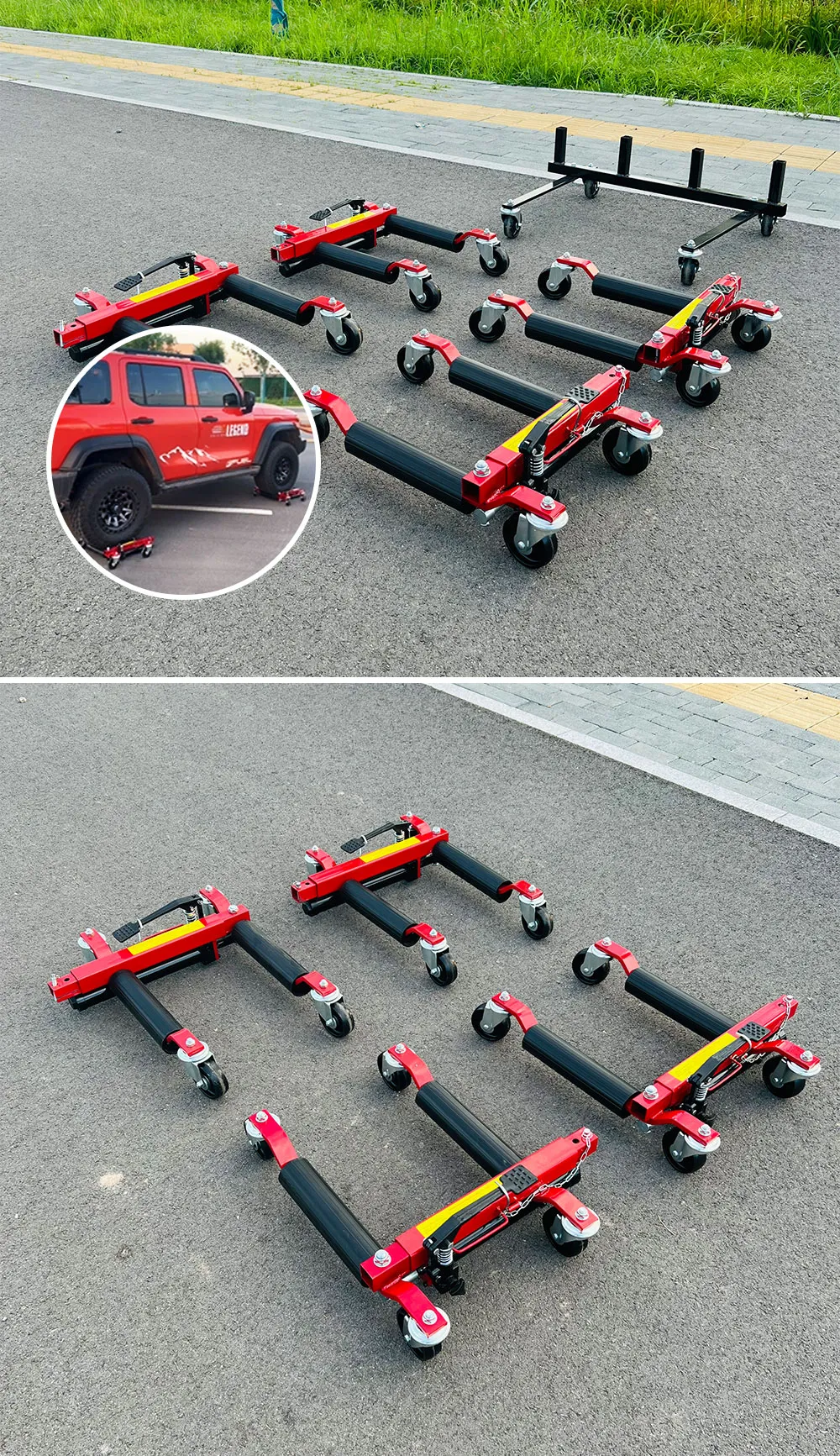
Performance of a car hydraulic jack is fundamentally governed by Pascal’s Law (P = F/A), where pressure (P) is equal to force (F) divided by area (A). Engineering calculations focus on determining the required piston area to achieve a specified lifting capacity, considering a safety factor to account for dynamic loading and potential overload conditions. Force analysis includes evaluating bending moments in the lifting arm and shear stresses in the cylinder walls. Stability is a critical concern; the jack's base must be designed with a sufficiently large footprint to prevent tipping, especially when lifting vehicles on uneven surfaces. Finite element analysis (FEA) is frequently used to optimize the structural design and identify potential stress concentration points.
Environmental resistance is addressed through corrosion protection measures, including powder coating and the use of corrosion inhibitors in the hydraulic fluid. Compliance requirements include adherence to safety standards such as ASME PALD-2014 (Pressure Vessel and Hydraulic Jack Safety Standard) and EN 1494:2000+A1:2008 (Hydraulic jacks – Safety requirements and test methods). Operational implementation requires careful consideration of the jack’s lifting range and the vehicle’s jacking points. Incorrect placement can lead to vehicle damage or instability. Proper maintenance, including regular fluid checks and seal replacement, is essential to maintain optimal performance and prevent failures. The jack's pumping mechanism is engineered for efficiency, minimizing the number of strokes required to reach the desired lifting height.
Technical Specifications
| Lifting Capacity (tons) | Minimum Lifting Height (mm) | Maximum Lifting Height (mm) | Hydraulic Fluid Type |
|---|---|---|---|
| 2 | 75 | 380 | ISO VG 32 Hydraulic Oil |
| 3 | 80 | 465 | ISO VG 46 Hydraulic Oil |
| 5 | 90 | 530 | ISO VG 46 Hydraulic Oil |
| 10 | 150 | 780 | ISO VG 46 Hydraulic Oil |
| 20 | 200 | 1000 | ISO VG 46 Hydraulic Oil |
| 30 | 250 | 1200 | ISO VG 46 Hydraulic Oil |
Failure Mode & Maintenance
Common failure modes in car hydraulic jacks include hydraulic fluid leaks, seal failure, piston corrosion, and structural deformation of the lifting arm or cylinder. Hydraulic fluid leaks often originate from worn seals, loose fittings, or corrosion of the cylinder walls. Seal failure is accelerated by exposure to contaminants, extreme temperatures, or incompatible fluids. Piston corrosion occurs due to moisture ingress or use of improper hydraulic fluid. Structural deformation results from overloading, fatigue cracking, or impact damage. Fatigue cracking typically initiates at stress concentration points, such as weld joints or sharp corners. Delamination can occur in powder-coated surfaces due to inadequate surface preparation or coating thickness. Oxidation of the hydraulic fluid can lead to sludge formation and reduced performance.
Preventative maintenance is crucial. Regularly check the hydraulic fluid level and top up as needed, using only the recommended fluid type. Inspect seals for cracks or leaks and replace them proactively. Lubricate moving parts to reduce friction and wear. Clean the jack thoroughly after use to remove dirt and debris. Store the jack in a dry environment to prevent corrosion. Avoid overloading the jack and always use it on a level surface. Periodically inspect the lifting arm and cylinder for signs of damage. If a leak is detected, immediately discontinue use and repair the leak before resuming operation. Annual professional inspection is recommended for jacks used in commercial settings.
Industry FAQ
Q: What is the impact of hydraulic fluid viscosity on jack performance?
A: Hydraulic fluid viscosity directly influences the jack’s pumping effort and response time. Lower viscosity fluids pump more easily but may leak more readily. Higher viscosity fluids provide better sealing but require more force to pump. The optimal viscosity range (typically ISO VG 32-46) is determined by the jack’s design and operating temperature.
Q: How does the steel grade affect the jack's lifespan and safety?
A: Higher grade steel (e.g., alloy steel vs. carbon steel) provides greater strength, toughness, and resistance to fatigue cracking, extending the jack’s lifespan and enhancing safety, particularly under heavy loads or frequent use. Proper heat treatment is also crucial to optimize the steel’s mechanical properties.
Q: What are the common causes of seal failure in hydraulic jacks?
A: Common causes include incompatibility with the hydraulic fluid, exposure to extreme temperatures, contamination from dirt and debris, and physical wear due to repeated compression and extension. Using the correct fluid and keeping the system clean are vital for seal longevity.
Q: How important are safety valves in a hydraulic jack?
A: Safety valves are critically important. They prevent overloading by releasing pressure if the jack’s capacity is exceeded, mitigating the risk of catastrophic failure and potential injury. Regular testing of the safety valve is crucial.
Q: What maintenance practices can prevent corrosion in a hydraulic jack?
A: Regular cleaning, proper storage in a dry environment, and the use of corrosion inhibitors in the hydraulic fluid are essential. Applying a protective coating (e.g., wax or oil) to exposed metal surfaces can also help prevent corrosion. Inspecting for and addressing any damage to the powder coating is also important.
Conclusion
The car hydraulic jack remains a foundational tool within automotive maintenance, reliant on robust engineering principles and material science. Its performance is intrinsically linked to the quality of materials – particularly steel alloys and hydraulic fluids – and the precision of manufacturing processes like welding, honing, and surface treatment. Adherence to international safety standards (ASME, EN) is paramount.
Moving forward, advancements in jack design may focus on lightweight materials (aluminum alloys) to improve portability, smart features like integrated pressure gauges and overload indicators, and improved sealing technologies to enhance durability and reduce maintenance requirements. Consistent preventative maintenance and adherence to safe operating procedures remain crucial for maximizing the lifespan and ensuring the safe operation of these essential tools.
