Introduction
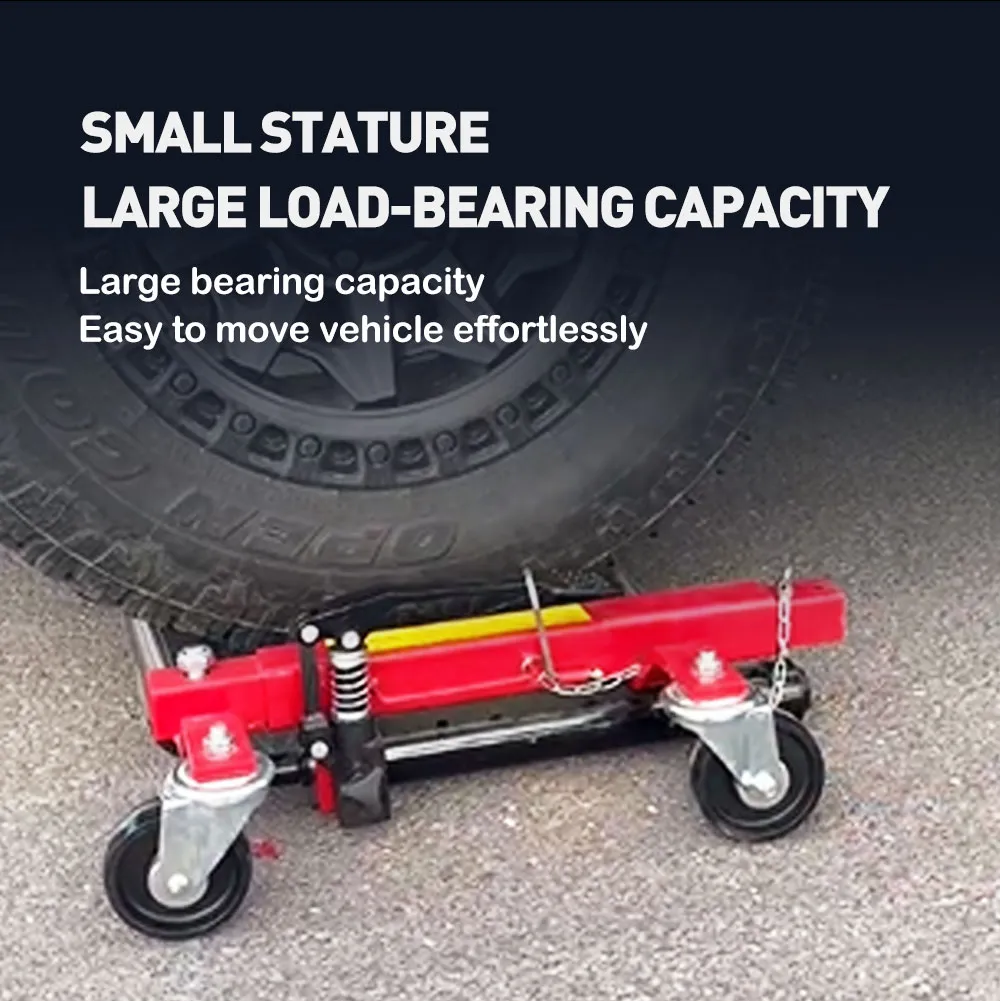
Fast lift floor jacks represent a critical component in automotive maintenance, industrial manufacturing, and heavy equipment handling. Distinguished by their rapid hydraulic lifting capabilities, these jacks offer significant efficiency gains over traditional screw-type jacks. Positioned within the lifting equipment sector, they serve as a primary means of raising vehicles and machinery for repair, inspection, and component access. Core performance characteristics center around lift capacity (typically ranging from 2 to 50 tons), lift height, pump stroke count, and speed of ascent – all directly impacting workflow and technician productivity. This guide will provide an in-depth technical analysis of fast lift floor jacks, encompassing material science, manufacturing processes, performance engineering, failure modes, and relevant industry standards. The primary industry pain points addressed include durability under cyclical loading, fluid leak prevention, long-term corrosion resistance, and adherence to stringent safety regulations.
Material Science & Manufacturing
The construction of a fast lift floor jack relies heavily on robust material selection and precision manufacturing. The hydraulic cylinder body is typically manufactured from high-strength carbon steel (AISI 1045 or equivalent), chosen for its tensile strength (approximately 570 MPa) and weldability. The piston rod employs medium carbon steel (AISI 1050) and undergoes induction hardening to achieve a surface hardness of 58-62 HRC, providing superior resistance to wear and scratching. The hydraulic fluid commonly utilized is a mineral oil-based hydraulic fluid with a viscosity index between 140-180, formulated with anti-wear additives and corrosion inhibitors. The jack's frame and lifting arm often utilize structural steel (ASTM A36) due to its cost-effectiveness and sufficient strength for the applied loads. Manufacturing involves several key processes: cylinder honing to achieve a smooth internal surface for optimal seal performance; precision welding of the frame components to ensure structural integrity; and thorough hydrostatic testing to verify leak-proof operation. Parameter control during welding is critical, focusing on maintaining appropriate heat input to prevent metallurgical changes and distortion. Seal materials commonly consist of nitrile butadiene rubber (NBR) or hydrogenated nitrile butadiene rubber (HNBR) for compatibility with hydraulic fluid and resistance to deformation. The release valve components utilize hardened steel balls and seats ensuring precise control and a reliable seal.
Performance & Engineering
The performance of a fast lift floor jack is fundamentally governed by Pascal's Law and principles of fluid mechanics. The applied force on the pump piston translates into a magnified force at the lifting cylinder piston, proportional to the area ratio. Engineering design focuses on minimizing pressure drop within the hydraulic system through optimized hose diameters and valve geometries. Force analysis incorporates a significant safety factor (typically 2.5 to 4) to accommodate dynamic loads and impact forces. Environmental resistance is addressed through surface treatments such as phosphate coating and powder coating to provide corrosion protection. Compliance requirements dictate adherence to standards like ASME PALD (Portable Automotive Lifting Devices) which mandates minimum structural strength, stability testing, and marking requirements. Functional implementation relies on a dual-sealing system within the hydraulic cylinder to prevent fluid leakage and maintain consistent lifting force. The rapid lift function is achieved via a high-flow hydraulic pump, often incorporating a quick-release valve for controlled descent. Fatigue analysis is performed on critical components (lifting arm, frame) to predict lifespan under cyclical loading, considering stress concentration points and material fatigue limits. Finite element analysis (FEA) is routinely employed during the design phase to optimize component geometry and minimize stress.
Technical Specifications
| Parameter | Unit | Typical Value (2-Ton Jack) | Typical Value (50-Ton Jack) |
|---|---|---|---|
| Lift Capacity | tons | 2 | 50 |
| Minimum Lift Height | in | 3.7 | 8.3 |
| Maximum Lift Height | in | 18.1 | 27.6 |
| Pump Stroke Count (Full Lift) | cycles | 8-10 | 12-15 |
| Hydraulic Fluid Capacity | qt | 2.2 | 4.2 |
| Cylinder Bore Diameter | in | 1.5 | 3.2 |
Failure Mode & Maintenance
Fast lift floor jacks are susceptible to several failure modes. Fatigue cracking within the lifting arm or frame can occur under repeated cyclical loading, particularly near weld joints. Hydraulic fluid leakage is a common issue, often stemming from worn seals (NBR degradation), damaged hoses, or a faulty release valve. Corrosion, especially in marine or corrosive industrial environments, can attack the cylinder body and piston rod, leading to reduced functionality and potential seizure. Internal valve failure (check valve or release valve) can result in a gradual loss of lift or an inability to maintain position. Air ingress into the hydraulic system can cause spongy operation and reduced lifting capacity. Maintenance protocols should include regular visual inspection for leaks, corrosion, and structural damage. Periodic hydraulic fluid replacement (every 12-24 months) is essential to maintain fluid viscosity and prevent corrosion. Seal replacement should be performed proactively, particularly if leakage is observed. Lubrication of moving parts (lifting arm pivot points) is crucial for smooth operation. Avoid exceeding the rated lift capacity and ensure the jack is used on a level, stable surface. Proper storage in a clean, dry environment will prolong the jack's service life.
Industry FAQ
Q: What is the primary cause of hydraulic fluid leakage in fast lift floor jacks?
A: The most common cause of hydraulic fluid leakage is the degradation of the seals (typically NBR) within the hydraulic cylinder and pump. This degradation is accelerated by exposure to high temperatures, incompatible fluids, and prolonged use. Additionally, damage to hydraulic hoses, loose fittings, or a faulty release valve can contribute to leakage.
Q: How does the quality of the hydraulic fluid affect jack performance and lifespan?
A: The quality of the hydraulic fluid is critical. Using incorrect fluid viscosity, or fluid contaminated with water or particulates, can cause increased wear on internal components, reduced lifting efficiency, and corrosion. Using a fluid with inadequate anti-wear additives will accelerate piston and cylinder wear.
Q: What preventative measures can be taken to mitigate fatigue failure in the lifting arm?
A: Fatigue failure can be minimized through proper usage, avoiding overloading the jack, and ensuring the jack is used on a level surface. Regular inspection for cracks, particularly around weld joints, is essential. Consideration of higher fatigue strength steel alloys during the manufacturing process will increase lifespan.
Q: What safety certifications are typically required for fast lift floor jacks sold in North America?
A: In North America, fast lift floor jacks must comply with ASME PALD (Portable Automotive Lifting Devices) standard. This standard covers design, manufacturing, and testing requirements to ensure safe operation. Products are often subjected to third-party verification to demonstrate compliance.
Q: How important is the surface treatment for corrosion resistance, and what are the common treatments?
A: Surface treatment is extremely important, particularly in environments with high humidity or exposure to corrosive substances. Common treatments include phosphate coating, which provides a base for paint adhesion and enhances corrosion protection, and powder coating, which forms a durable, protective barrier against rust and corrosion. Galvanizing is also used, though less common due to cost.
Conclusion
Fast lift floor jacks are essential tools built upon fundamental principles of hydraulics and materials science. Their performance and longevity are heavily dependent on the careful selection of materials, precision manufacturing, and adherence to rigorous engineering standards. Understanding the potential failure modes and implementing proactive maintenance protocols are crucial for maximizing the operational lifespan and ensuring safe, reliable performance. The continual refinement of hydraulic fluid formulations, seal materials, and manufacturing processes will contribute to further improvements in jack efficiency and durability.
Looking forward, advancements in lightweight materials such as aluminum alloys and high-strength polymers could potentially reduce jack weight without compromising structural integrity. Integrated sensor technologies for overload detection and predictive maintenance could further enhance safety and optimize operational efficiency. Adherence to increasingly stringent environmental regulations will likely drive the development of eco-friendly hydraulic fluids and sustainable manufacturing practices.
