
Understanding 100 mesh stainless steel screen for Industrial Applications

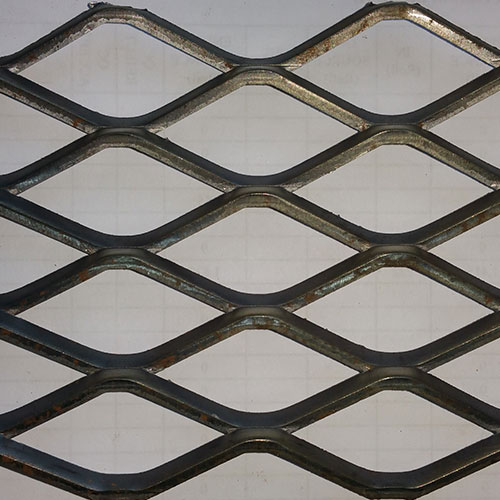
In the demanding world of construction and renovation, the integrity of plaster and render finishes is non-negotiable. Our high-performance wire mesh for plastering is engineered to provide the critical reinforcement needed to prevent cracks, enhance durability, and ensure a flawless, long-lasting surface. Designed for professional contractors, builders, and exporters, this essential substrate acts as a robust skeletal framework, distributing stress and minimizing the risk of failure due to substrate movement, thermal expansion, or shrinkage. As a cornerstone material for modern construction, our plaster mesh delivers unparalleled reliability across a vast spectrum of applications, from residential interiors to large-scale commercial facades.
Our wire mesh for plastering is a galvanized, welded steel mesh specifically manufactured to serve as a superior reinforcement layer within cementitious plaster, stucco, and render systems. Unlike standard mesh, it is precision-welded at every intersection, creating a rigid, high-tensile-strength grid that becomes an integral part of the plaster matrix. This integration is crucial for bridging minor cracks in the underlying substrate and, more importantly, for preventing the formation of new cracks within the plaster layer itself. Available in a range of standard sheet sizes and roll formats, our product offers exceptional versatility, making it the go-to choice for both interior wall and ceiling applications, as well as exterior rendering projects that must withstand harsh environmental conditions.
| Specification | Standard Metric Value | Typical Imperial Equivalent | Notes |
|---|---|---|---|
| Wire Diameter | 0.7 mm - 1.2 mm | 0.028" - 0.047" | Varies based on mesh weight and application (light-duty interior to heavy-duty exterior). |
| Mesh Aperture (Hole Size) | 12.7 mm x 12.7 mm | 0.5" x 0.5" | Standard square mesh. Other sizes (e.g., 25mm x 25mm) available for specific renders. |
| Standard Sheet Size | 1.0 m x 2.5 m | 3.28 ft x 8.2 ft | Ideal for wall sections. Also available in rolls (1m x 50m) for large, continuous areas. |
| Coating | Electro-galvanized (Zinc) | Electro-galvanized (Zinc) | Minimum coating weight of 20 g/m² for reliable corrosion protection. |
| Tensile Strength | > 550 N/mm² | > 79,770 psi | High-carbon steel wire ensures the mesh does not stretch or fail under stress. |
| Weight (Approx.) | 1.0 - 1.5 kg/m² | 0.20 - 0.31 lb/ft² | Lightweight yet strong, adding minimal dead load to the structure. |
| Primary Material | Low-Carbon Steel Wire (Grade A) | ||
| Standards Compliance | Manufactured to meet international construction material standards (ASTM, EN, ISO equivalents available). | ||
The correct application of wire mesh for plastering is fundamental to project success. It is strategically employed in the following key scenarios:
Choosing our specialized wire mesh for plastering offers distinct, measurable benefits compared to using no reinforcement or inferior alternatives like chicken wire or fiberglass mesh.
As a professional supplier in the international construction supply chain, we differentiate ourselves through unwavering commitment to quality, consistency, and customer success.
A: The primary purpose is reinforcement. The wire mesh for plastering is embedded within the plaster coat to significantly increase its tensile strength. This creates a composite material that resists cracking caused by substrate movement, thermal expansion/contraction, and plaster shrinkage as it cures. It essentially holds the plaster together, ensuring a monolithic, durable finish.
A: Absolutely. Our galvanized wire mesh for plastering is specifically designed for universal use. The zinc coating provides essential corrosion protection for exterior renders exposed to rain and humidity, while its strength and crack-prevention properties are equally valuable for interior walls and ceilings. Always ensure the mesh is fully embedded and covered by a sufficient thickness of plaster.
A: Installation is straightforward. The mesh is unrolled or laid flat against the prepared substrate (e.g., block wall, insulation board). It is then securely fastened using corrosion-resistant staples, concrete nails, or specialized washers and screws, typically at intervals of 150-200mm (6"-8") along the edges and throughout the field. The key is to fix it taut and flat without excessive sagging.
A: A minimum plaster cover of 6-10mm (approx. 1/4" to 3/8") over the surface of the mesh is generally recommended. This ensures the mesh is properly encapsulated within the plaster matrix to function effectively. The total plaster system thickness will depend on the substrate levelness and the specific plaster specification.
A: Yes, we cater to B2B client needs. While we stock popular standard sizes in sheets and rolls, we can manufacture wire mesh for plastering to custom dimensions, wire gauges, and mesh apertures for large project specifications. Contact our sales team with your detailed requirements for a tailored quotation.
A: Consistency is critical for professional use. We implement rigorous quality control at every production stage, from raw material sourcing to final inspection. Each shipment is accompanied by relevant mill certificates and quality documentation. Our export packaging is engineered to prevent damage during transit, ensuring you receive a product that performs exactly as specified, batch after batch.
NEXT:wire mesh gauge
Understanding 100 mesh stainless steel screen for Industrial Applications

Understanding 1mm Stainless Steel Wire Mesh for Filtration and Industrial Applications

Understanding the Versatility of 10 mesh stainless steel screen Applications

Understanding 12 mesh stainless steel screen Applications and Technical Details

Understanding 304 Stainless Steel Mesh Screen for Industrial Applications
Ready to move your project from technical blueprint to precision reality? Whether you require large-scale CNC machining, complex structural assembly, or specialized fabrication with rare alloys like Titanium and Nickel, our engineering team is prepared to assist. At metalfabricationcn.com, we solve the manufacturing challenges that others find too large or too complex. Reach out today to discuss your specific requirements, and let us help you optimize your supply chain with ISO 9001 certified reliability.