

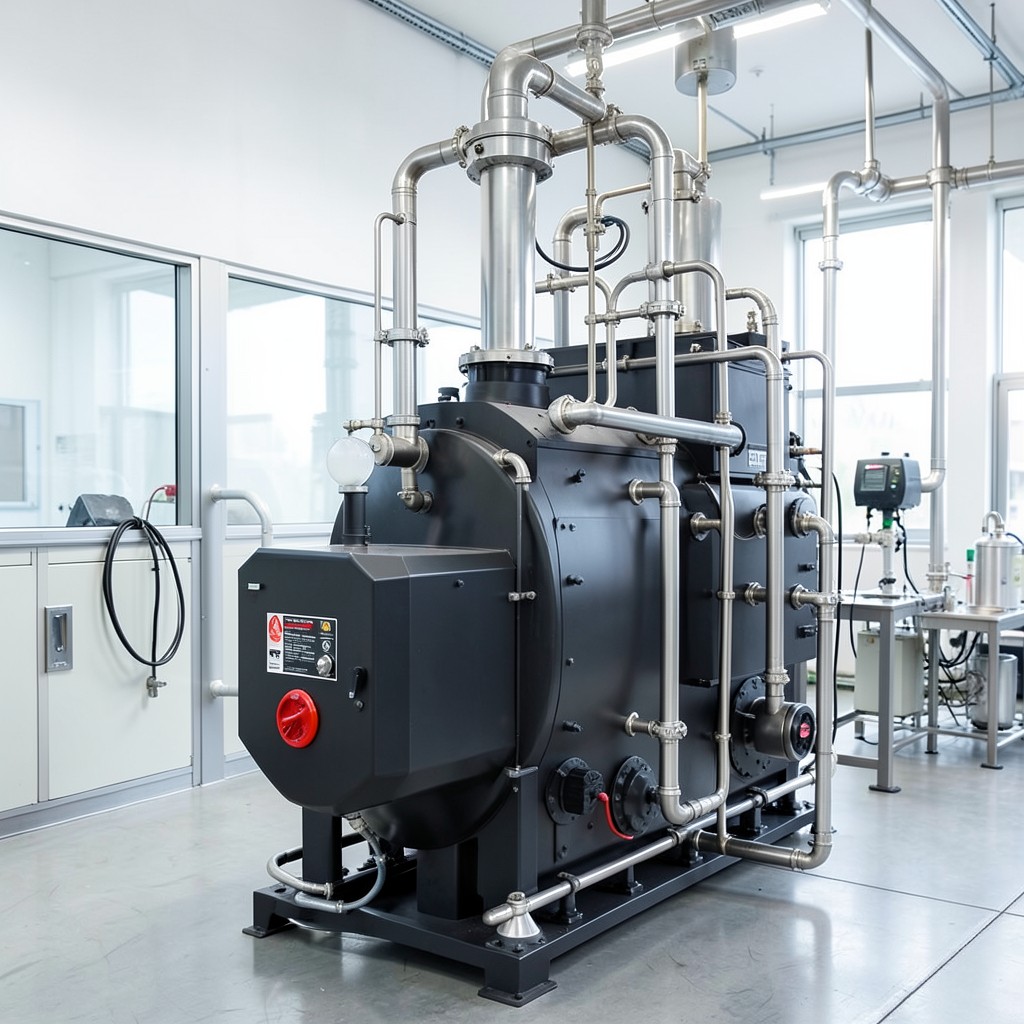

Chemical Process Fluid Heating Thermal Oil Boiler – Reliable Heat Transfer for Continuous Operations
The chemical process fluid heating thermal oil boiler is engineered to deliver consistent, high‑temperature heat to a wide range of process fluids used in petrochemical, pharmaceutical, and specialty chemical manufacturing. Designed for 24/7 duty cycles, this oil‑fired system provides precise temperature control, rapid response, and robust safety features that meet the rigorous demands of modern continuous‑flow plants. Whether you need to raise the temperature of high‑viscosity polymers, maintain reaction kinetics for catalysts, or pre‑heat feedstocks for distillation, this boiler integrates seamlessly into existing process loops.
Technical Specifications (customizable per order)
| Parameter | Typical Range | Units |
|---|---|---|
| Thermal Output | 250 – 5 000 | kW |
| Operating Temperature (Oil) | 180 – 400 | °C |
| Design Pressure | 1.0 – 2.5 | MPa |
| Fuel Consumption | 0.23 – 0.45 | kg/kWh |
| Control System | PLC with PID, HMI | – |
| Safety Devices | Low‑oil level, over‑temperature, pressure relief | – |
Application Scenarios
- Pre‑heating of heavy crude and vacuum residues before atmospheric distillation.
- Maintaining reaction temperatures for polymerization and esterification processes.
- Heat‑recovery loops in solvent regeneration and vapor‑compression units.
- Temperature conditioning of catalyst slurries and feedstocks in fine‑chemical synthesis.
- Batch and continuous crystallization where precise thermal ramps are required.
Competitive Advantages
- High Thermal Efficiency: Optimised oil circulation and burner design achieve >95% heat transfer, reducing fuel costs.
- Robust Duty Cycle: Rated for continuous operation up to 8,500 h per year with minimal wear on seals and gaskets.
- Modular Construction: Frame‑mounted panels allow on‑site expansion or re‑configuration without major shutdowns.
- Integrated Controls: PLC‑based PID control with remote HMI ensures temperature stability within ±1 °C.
- Compliance & Safety: Built to EN 13445 pressure vessel standards and equipped with ISO‑9001 quality‑assured components.
Frequently Asked Questions
What is the minimum order quantity (MOQ) for a custom‑designed boiler?
Our standard catalog models start at a single unit MOQ. For bespoke configurations—such as special pressure ratings, oversized burners, or alternative control panels—the MOQ is typically 3 units to justify engineering tooling.
Can the system be adapted for alternative heat transfer fluids?
Yes. While the default medium is high‑temperature mineral oil, the boiler can be retro‑fitted for synthetic silicone oils or biodegradable fluids, provided the operating temperature and viscosity limits are respected.
What is the typical lead time from order to delivery?
Standard models ship within 15–30 days after purchase order confirmation. Custom engineering projects require 45–60 days, depending on the complexity of the specification and required certifications.
What warranty and after‑sales support are provided?
All units come with a 24‑month manufacturer warranty covering materials and workmanship. We also offer optional extended service contracts, on‑site commissioning, and a 24‑hour technical hotline for rapid troubleshooting.
Ready to Optimize Your Process Heating?
Our engineering team can tailor the chemical process fluid heating thermal oil boiler to match your exact capacity, temperature, and integration requirements. Contact us today to receive a detailed quotation, performance curves, and a project timeline.