

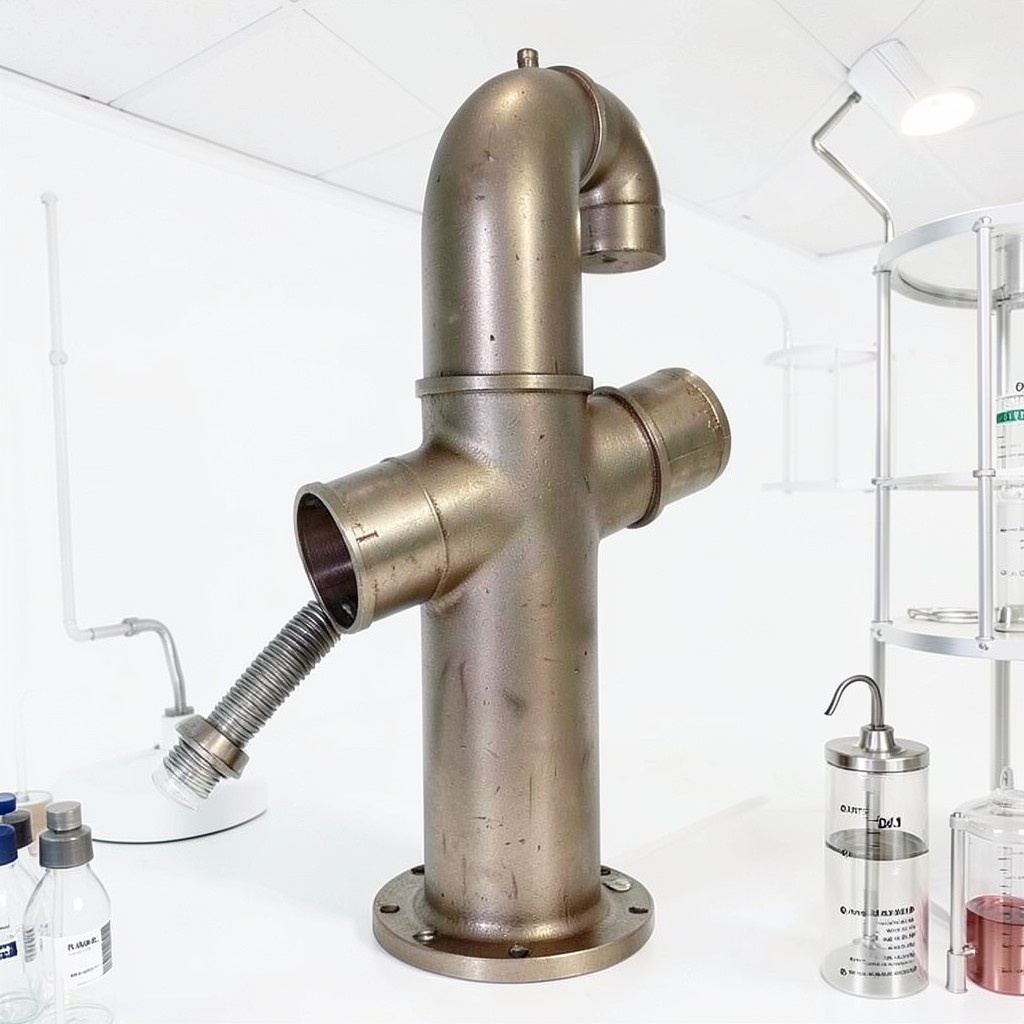

High Temperature Alloy Piping for Hydrogen Furnace
Our high temperature alloy piping for hydrogen furnace is engineered to withstand continuous operation at 800 °C + while resisting hydrogen‑induced embrittlement. Designed for petrochemical, refinery and green‑hydrogen production plants, the piping delivers consistent flow integrity, low thermal expansion, and long‑term durability in the most demanding thermal environments.
Technical Specifications
| Parameter | Typical Range | Unit |
|---|---|---|
| Material Grade | Inconel 625 / Hastelloy C‑276 | ‑ |
| Maximum Continuous Temperature | 900 °C (1650 °F) | °C / °F |
| Operating Pressure | 0.5 – 20 MPa | MPa |
| Diameter (OD) | 25 mm – 300 mm | mm |
| Wall Thickness | 2 mm – 30 mm | mm |
| Welding Method | TIG / GTAW (Inert gas) | ‑ |
All dimensions are fully customizable per order. Our engineering team can adjust alloy composition, pipe schedule, and end‑fit specifications to match your plant’s design documents.
Competitive Advantages
- Hydrogen Compatibility: Nickel‑based alloys limit hydrogen diffusion, preventing premature cracking.
- Temperature Stability: Retains >95 % of mechanical strength after 10,000 h at 800 °C.
- Regulatory Alignment: Meets ASME B31.3, ISO 9001, and EN 13445 requirements for pressure equipment.
- Lifecycle Cost Savings: Corrosion‑resistant surface finishes reduce inspection intervals and replacement frequency.
- Rapid Turn‑key Delivery: Standard sizes stocked for 2‑week shipment; fully engineered units delivered within 15‑45 days.
Installation Guidance
Proper installation safeguards the performance of high temperature alloy piping for hydrogen furnace applications. Follow these best‑practice steps:
- Inspect each segment for surface defects; any scratches or dents must be repaired before welding.
- Pre‑heat the joint area to 200 °C to reduce thermal shock during TIG welding.
- Use a high‑purity argon shield (≥99.999 %) to avoid oxidation at the weld pool.
- Conduct post‑weld heat treatment at 650 °C for a minimum of 2 hours to relieve residual stress.
- Perform a hydrostatic pressure test at 1.5× the design pressure before commissioning.
Frequently Asked Questions
What is the minimum order quantity (MOQ) for custom alloy pipe?
We accept orders from a single length (1 m) up to full‑scale plant shipments. MOQ is determined by the selected alloy grade and required heat‑treatment schedule; typically, a 5‑ton batch ensures optimal furnace utilization.
Can the pipe be fabricated to non‑standard diameters?
Yes. Our in‑house rolling line can produce diameters from 10 mm to 500 mm. Engineering drawings are reviewed for wall‑thickness limits to maintain pressure ratings.
What is the typical lead time for a fully engineered furnace line?
Standard grades ship within 2 weeks from order confirmation. Custom alloys, heat‑treatment, and certification processes extend lead time to 15‑45 days, depending on order volume.
Do you provide warranty or after‑sales support?
All products are covered by a 12‑month warranty against material defects. Our technical service team offers on‑site assistance for installation, testing, and performance validation.
Ready to upgrade your hydrogen furnace reliability? Contact our engineering sales team today for a free quotation and material selection guide.